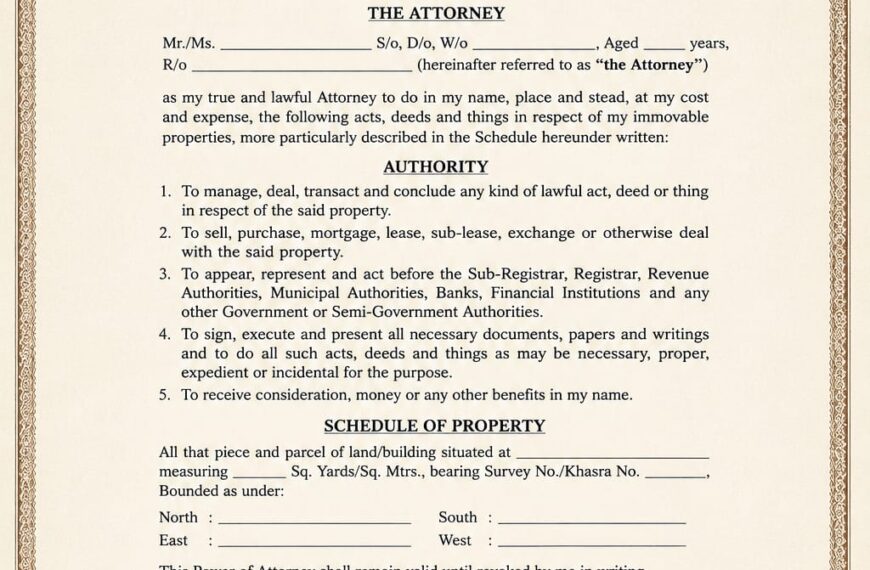



In the real estate sector, a property’s title holds immense importance. It serves as the primary legal proof of ownership and helps establish whether a property can be legally sold and transferred. Title verification is essentially an examination of ownership rights and is one of the most critical due diligence exercises before purchasing any property.
Typically, title verification is conducted either by a prospective buyer or by a financial institution before approving a home loan. A clear and marketable title ensures that the property is free from legal disputes, encumbrances, and ownership claims.
Why Title Verification Matters
Before finalizing any property transaction, buyers must ensure that the seller has the legal authority to sell the property and possesses a valid title. A thorough title check helps identify any disputes, pending claims, mortgages, liens, or legal complications associated with the property.
A clear title minimizes the risk of future litigation and protects the buyer’s investment.
Examining Property Records

One of the most important aspects of title verification is reviewing historical ownership records. Property-related documents are maintained at the office of the Sub-Registrar in whose jurisdiction the property is located.
Legal experts generally examine the chain of ownership for the past 30 years to verify that the property has been legally transferred from one owner to another and is free from disputes, mortgages, or other encumbrances. In some cases, lawyers may review a longer history if deemed necessary.
The objective is to establish an uninterrupted ownership chain and confirm that there are no outstanding claims affecting the property’s title.
Changes in Limitation Rules
Historically, lawyers often examined property records dating back 60 years because of provisions related to mortgage redemption under the Limitation Act. However, under Article 61 of the Limitation Act, 1963, the relevant limitation period has effectively been reduced to 30 years in many practical situations.
Today, since most mortgage agreements have relatively shorter durations, legal professionals generally consider a 30–40 year title search sufficient for most residential and commercial property transactions.
Public Notice in Newspapers
As part of the due diligence process, lawyers frequently publish a public notice in newspapers before the completion of a property transaction. The notice informs the public that a particular property is proposed to be purchased and invites objections, claims, or disclosures relating to mortgages, leases, liens, gifts, legal disputes, or any other rights over the property within a specified period, usually 15 to 30 days.
Although such notices may not always reach every claimant, they strengthen the buyer’s legal position and demonstrate that reasonable efforts were made to identify potential claims before the transaction.
Check Municipal Tax Dues
Outstanding municipal taxes can create complications after purchase. Buyers should verify with the local municipal authority whether any dues are pending against the property, including:
- Property Tax
- House Tax
- Water Charges
- Sewerage Charges
- Other Municipal Levies
Generally, tax liabilities are apportioned between the seller and buyer based on the date of property transfer. Failure to verify pending dues may result in the new owner being held liable for outstanding payments.
In extreme cases, municipal authorities may initiate recovery proceedings against the property if significant dues remain unpaid.
Verify Pending Court Cases
A prudent buyer should also check whether any civil litigation is pending concerning the property. Lawyers commonly conduct searches in civil courts and, where necessary, higher courts to identify ownership disputes, injunctions, or other legal proceedings affecting the property.
Any ongoing litigation can significantly impact ownership rights and future transactions.
Income Tax and Government Dues
Although obtaining an Income Tax Clearance Certificate is no longer mandatory for property transactions under current provisions of the Income-tax Act, buyers should still exercise caution.
It is advisable to obtain a declaration or no-dues confirmation from the seller regarding outstanding tax liabilities and government dues that could potentially affect the property.
Land Acquisition and Reservation Status
Before purchasing land or any immovable property, buyers should verify with the relevant local authority whether the property has been reserved, notified, or acquired under any government development plan, infrastructure project, or land acquisition proceeding.
Buyers should also confirm that no notices, claims, notifications, or regulatory actions are pending against the property.
Key Takeaways for Property Buyers
- Always verify the property’s title before signing any agreement.
- Review ownership records maintained by the Sub-Registrar’s office for at least the last 30 years.
- Conduct legal searches to identify any pending court cases or ownership disputes.
- Verify municipal tax payments and ensure there are no outstanding dues.
- Obtain confirmations regarding tax liabilities and other government dues.
- Check whether the property is affected by land acquisition, reservation, or development plans.
A comprehensive title verification process may require time and professional assistance, but it remains one of the most effective ways to safeguard a real estate investment and avoid costly legal complications in the future.


 By
By


 By
By