
Factory-built homes are redefining modern housing with faster construction, lower costs and greater flexibility.
A New Era of Homebuilding
As urban land prices continue to rise and construction costs climb, homebuyers are increasingly looking for faster and more affordable housing alternatives. One solution gaining attention is the container home—a modern housing concept that combines speed, sustainability and cost efficiency.

Unlike conventional houses that take months or even years to complete, container homes are largely manufactured in factories and assembled on-site within a much shorter timeframe. This approach reduces construction delays while maintaining consistent quality.
What Exactly Is a Container Home?
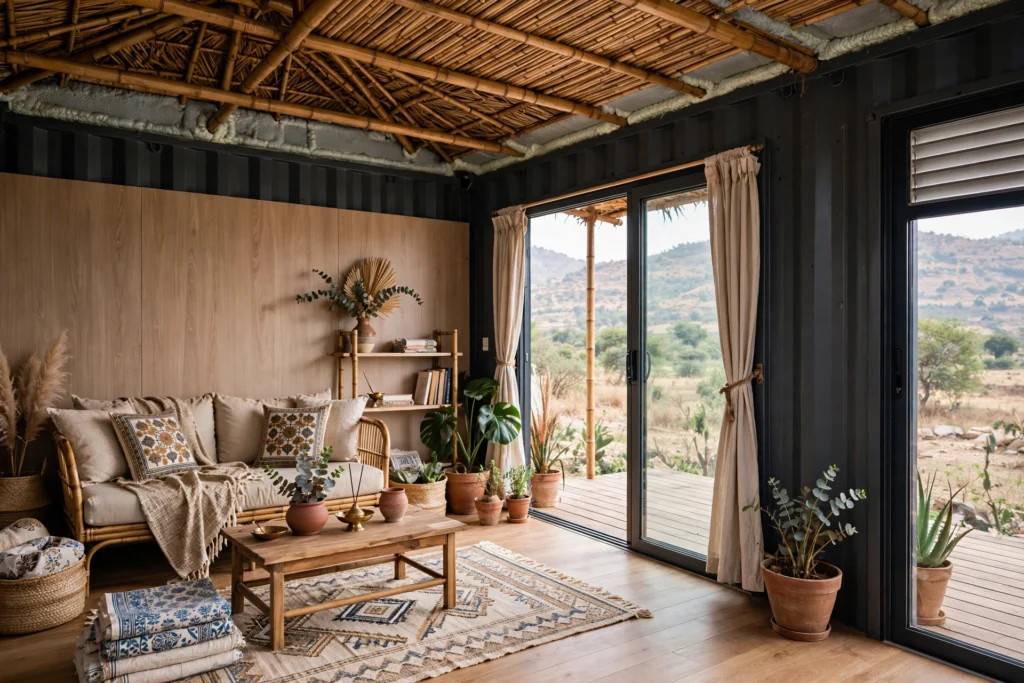
A container home is a residential structure built using specially engineered steel containers or modular prefabricated units. These homes can be designed as compact studio apartments, spacious family residences or even luxury villas with customized interiors.
Modern container homes are equipped with essential amenities such as bedrooms, kitchens, bathrooms, electrical systems, insulation and air conditioning, making them suitable for both temporary and permanent living.
Why Are They Becoming Popular?
Several factors are driving the growing interest in container homes:
Faster project completion compared to traditional construction.
Lower labour requirements and reduced material wastage.
Flexible designs that can be expanded or relocated.
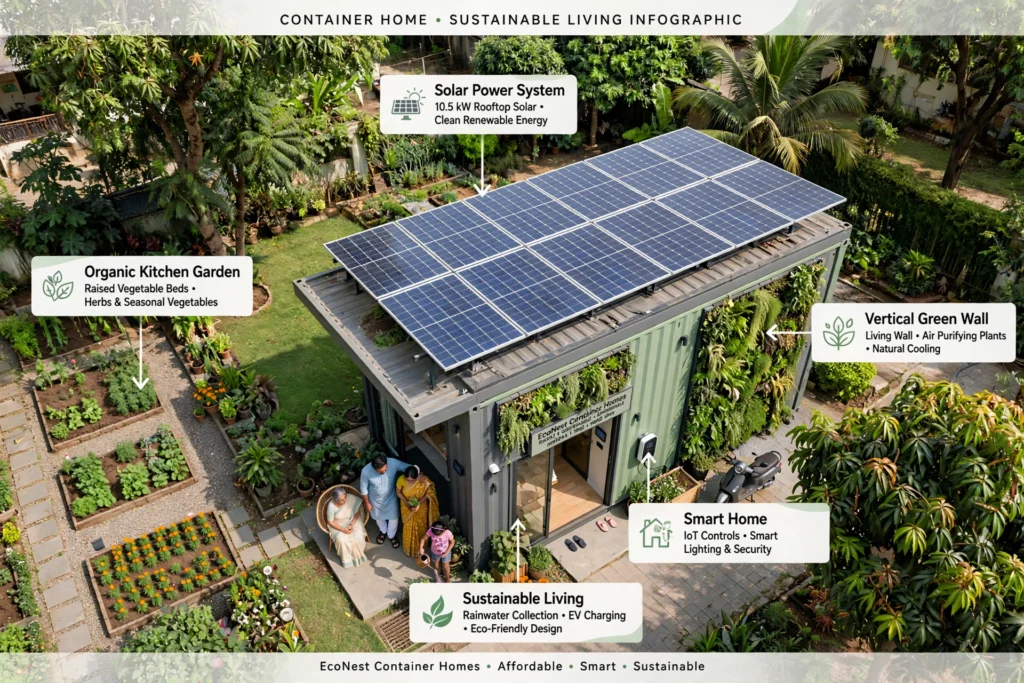
Eco-friendly construction with efficient use of steel and recyclable materials.
Suitable for urban, rural and remote locations.
These advantages make container homes attractive for first-time buyers, holiday homes, farmhouses, staff accommodation and emergency housing projects.
Cost Advantage
One of the biggest attractions is affordability. Since a significant portion of construction takes place inside factories, developers can reduce both construction time and on-site expenses. The final cost depends on the size, interior specifications, insulation, finishes and transportation requirements, but modular construction often offers a competitive alternative to conventional housing.
Design Without Compromise
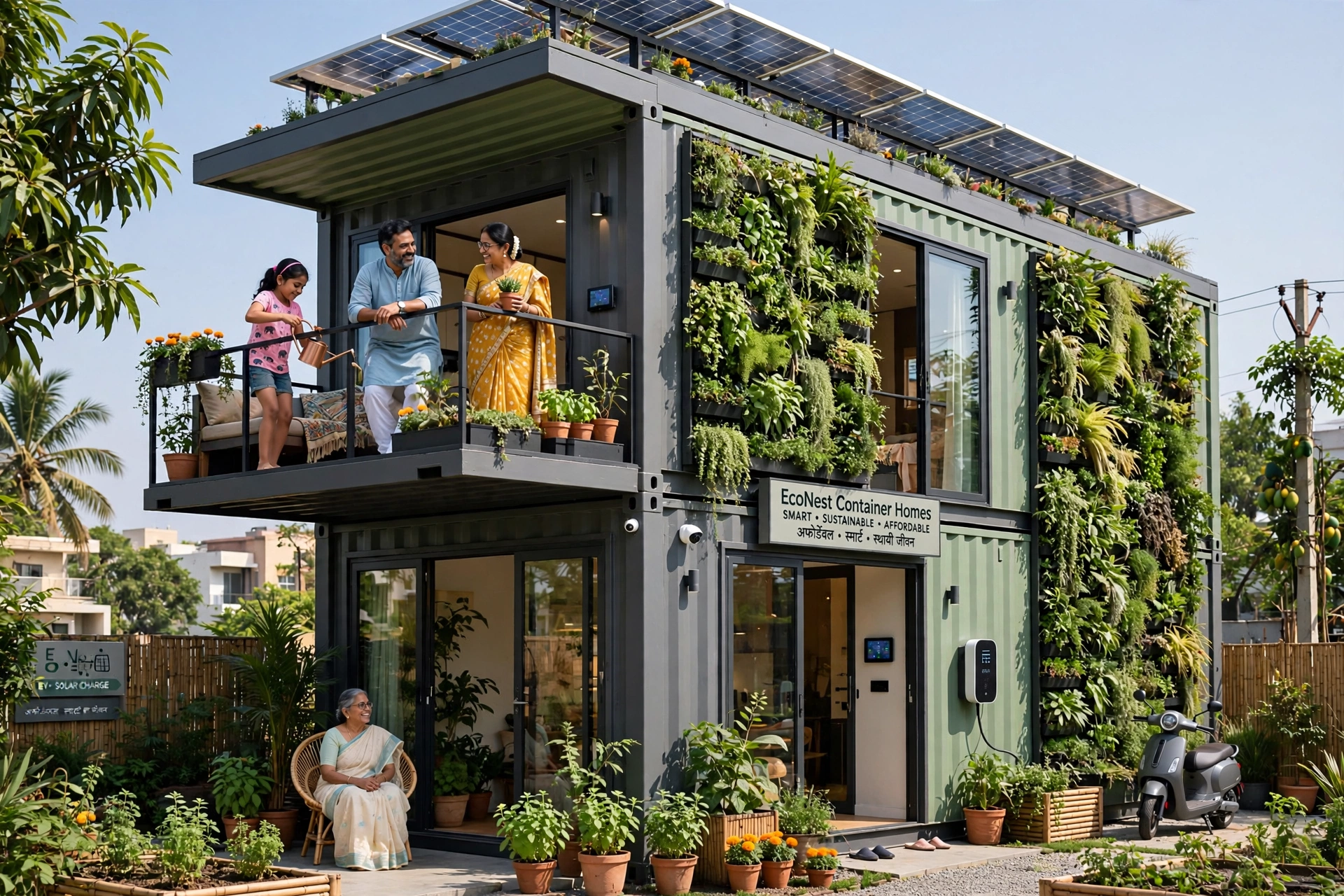
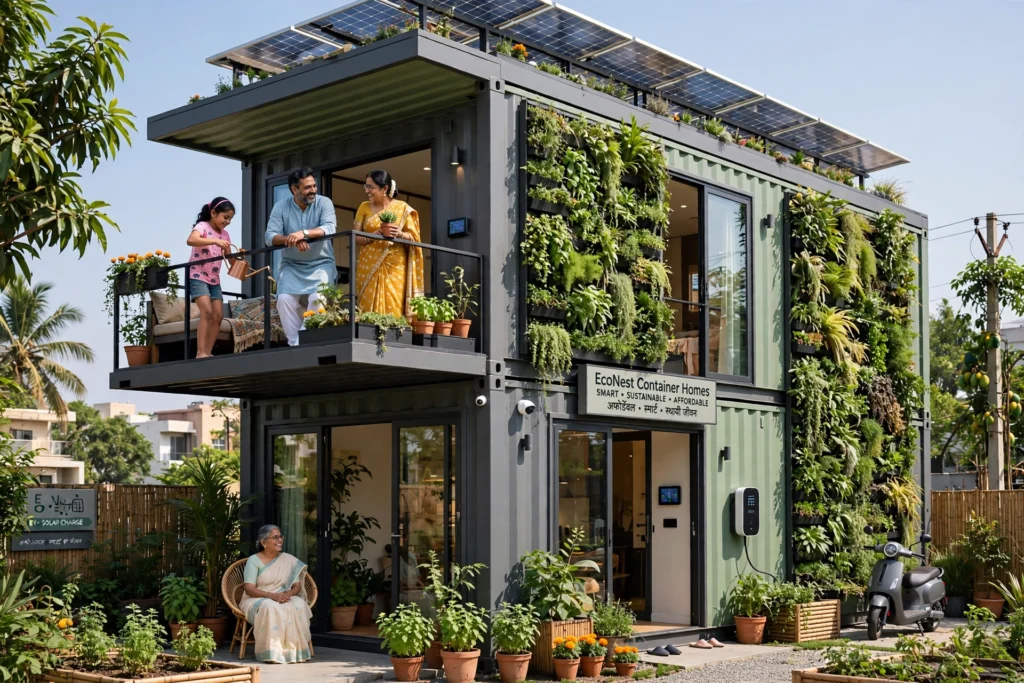
Modern container homes are no longer limited to basic box-shaped structures. Architects today are creating stylish homes featuring:
Open-plan living spaces
Large glass façades
Rooftop decks
Smart home technology
Energy-efficient insulation
Solar power integration
Premium interior finishes
The result is a contemporary home that blends aesthetics with functionality.
Challenges to Consider
Despite their advantages, container homes require careful planning. Buyers should ensure compliance with local building regulations, structural safety standards and land-use permissions. Proper insulation, ventilation and waterproofing are also essential for long-term comfort and durability.
Market Outlook
As India embraces modern construction technologies and sustainable development, prefabricated and modular housing is expected to play a larger role in the residential sector. Industry experts believe container homes could become a practical solution for affordable housing, vacation properties, commercial spaces and rapid infrastructure development in the coming years.
Property Sansar Take
Container homes are transforming the way people think about housing. By combining affordability, faster delivery and contemporary design, they present an innovative alternative for a new generation of homebuyers. While they may not replace conventional homes entirely, they are steadily emerging as a smart housing option for India’s evolving real estate landscape.

 By
By
 By
By
 magazin online moldova says: