
Japan’s Interest in Dholera Grows as Semiconductor and Infrastructure Development Accelerates

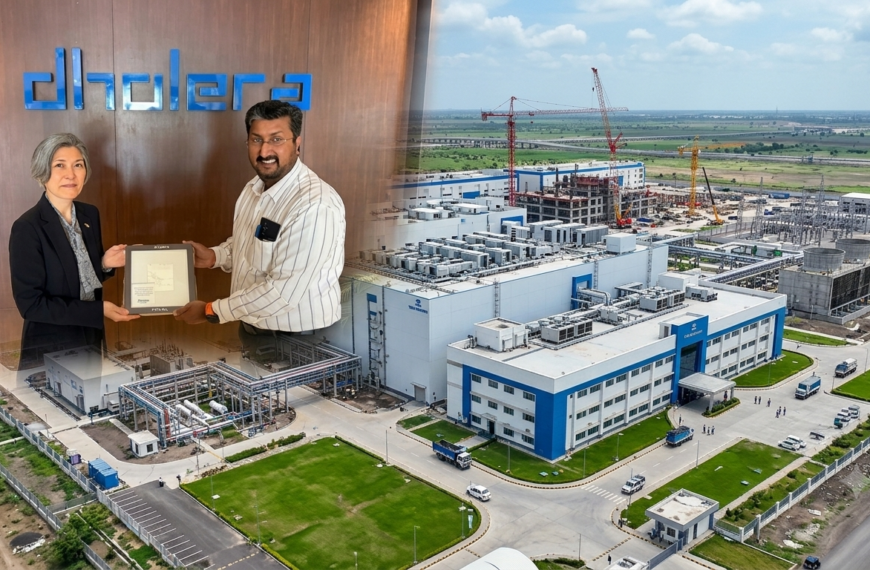
Dholera Special Investment Region (SIR) is gaining attention from international investors as India moves forward with its semiconductor manufacturing ambitions. Japan’s Consul-General Ms. SATO Hitomi recently visited Dholera SIR in Gujarat. She reviewed the progress of Tata Electronics’ semiconductor fab and the development of surrounding infrastructure. Her visit, along with her recent meeting with Gujarat Chief Minister Bhupendra Patel, highlights growing India-Japan business cooperation and Dholera’s emerging investment potential.
Japan’s Consul-General Visits Dholera SIR

Recently, Japan’s Consul-General Ms. SATO Hitomi visited Dholera Special Investment Region (SIR) in Gujarat. During her visit, she received briefings from Dholera Industrial City Development Limited (DICDL) and Tata Electronics.
The briefings covered the ongoing construction of the semiconductor fabrication plant and the development of supporting infrastructure. These developments include hotels, hospitals, schools, and other facilities.
Tata Electronics is currently building India’s first semiconductor fab at Dholera SIR. The project is expected to play an important role in India’s semiconductor manufacturing sector. It has also attracted interest from several Japanese companies.
India-Japan Business Cooperation in Gujarat
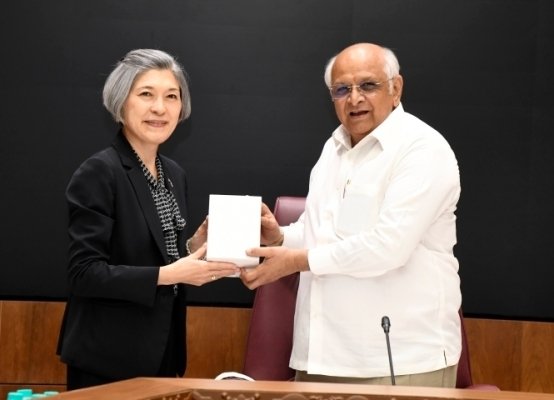
Before her Dholera visit, Ms. SATO Hitomi recently met Gujarat Chief Minister Bhupendra Patel. The meeting focused on strengthening business relations between Japan and Gujarat.
Both sides discussed cooperation for the upcoming Vibrant Gujarat Global Summit scheduled for January. They also discussed ways to improve the business environment for Japanese companies already operating in Gujarat.
The discussion covered opportunities for Japanese companies to expand their existing operations and explore new investments in the state.
Semiconductor Development Could Boost Dholera’s Growth

Dholera SIR is emerging as a major industrial and technology destination. The Tata Electronics semiconductor fab is one of the key projects driving this development.
The growth of semiconductor manufacturing can support several related sectors. These include logistics, industrial services, engineering, supply chain, commercial facilities and supporting businesses.
As industrial activity increases, demand for supporting infrastructure and urban facilities may also grow.
Real Estate Opportunities Around Industrial Growth
Industrial development often creates opportunities for the real estate sector. The establishment of large manufacturing facilities can attract employees, business partners, suppliers, and service providers.
This may create future demand for different property segments in Dholera, including:
- Residential Property: Housing requirements for employees and professionals working in the industrial ecosystem.
- Commercial Property: Offices, business centres and commercial spaces for companies and service providers.
- Hospitality: Hotels, serviced accommodation and other facilities for business visitors and industrial professionals.
- Retail and Services: Shops, restaurants, healthcare, education and other daily-use facilities.
- Industrial Support Infrastructure: Warehousing, logistics and supply-chain related facilities.
The scale of these opportunities will depend on industrial progress, employment growth, infrastructure development and actual market demand.
International Interest Strengthens Dholera’s Investment Profile
Japan’s Consul-General’s recent visit reflects the growing international interest in Dholera’s industrial development. The semiconductor fab and supporting infrastructure are important developments for the region.
India-Japan cooperation in technology, manufacturing, and business expansion could further strengthen Gujarat’s industrial ecosystem. Dholera may benefit from this growth as new industrial projects and supporting businesses develop over time.
For real estate investors, Dholera’s potential is linked to its long-term industrial development, infrastructure, connectivity, and future economic activity.
However, investors should carefully evaluate land ownership, project approvals, legal status, infrastructure availability, pricing, and market risks before making any investment decision.

 By

 By