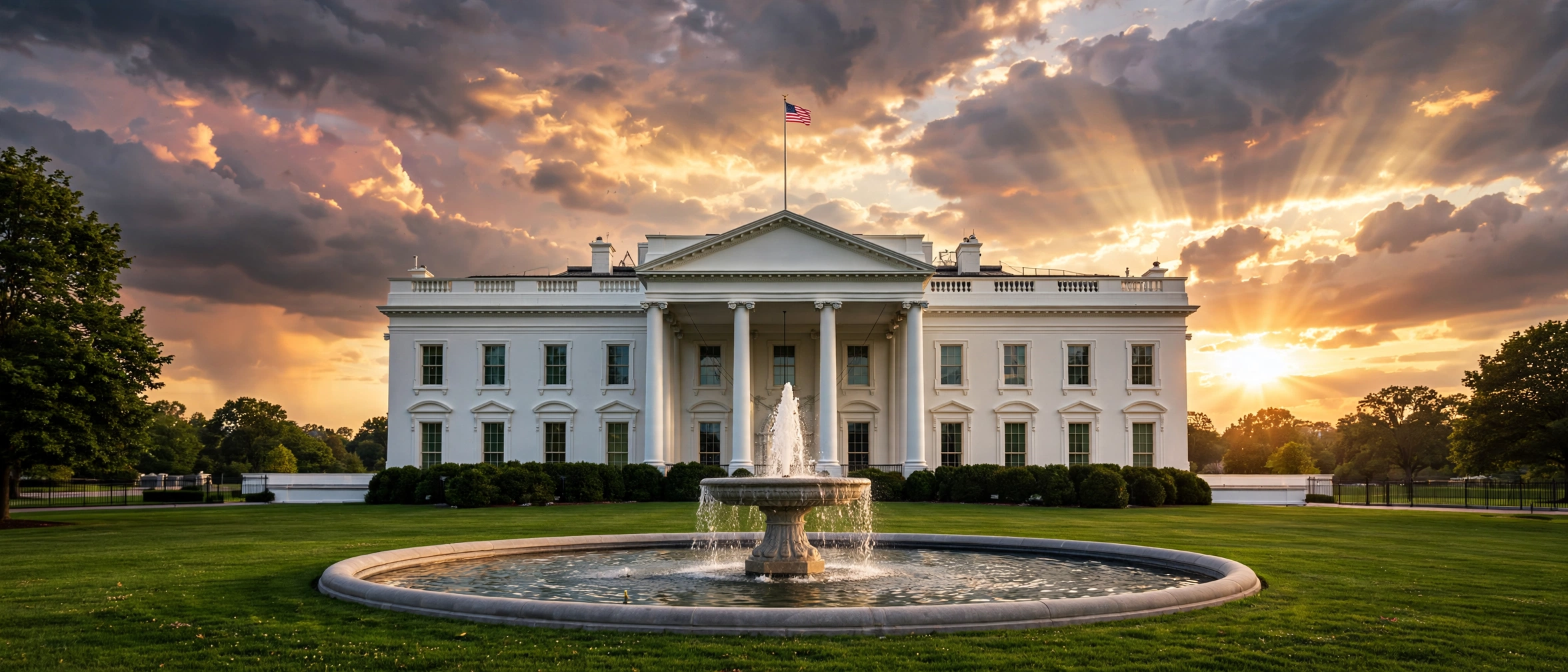

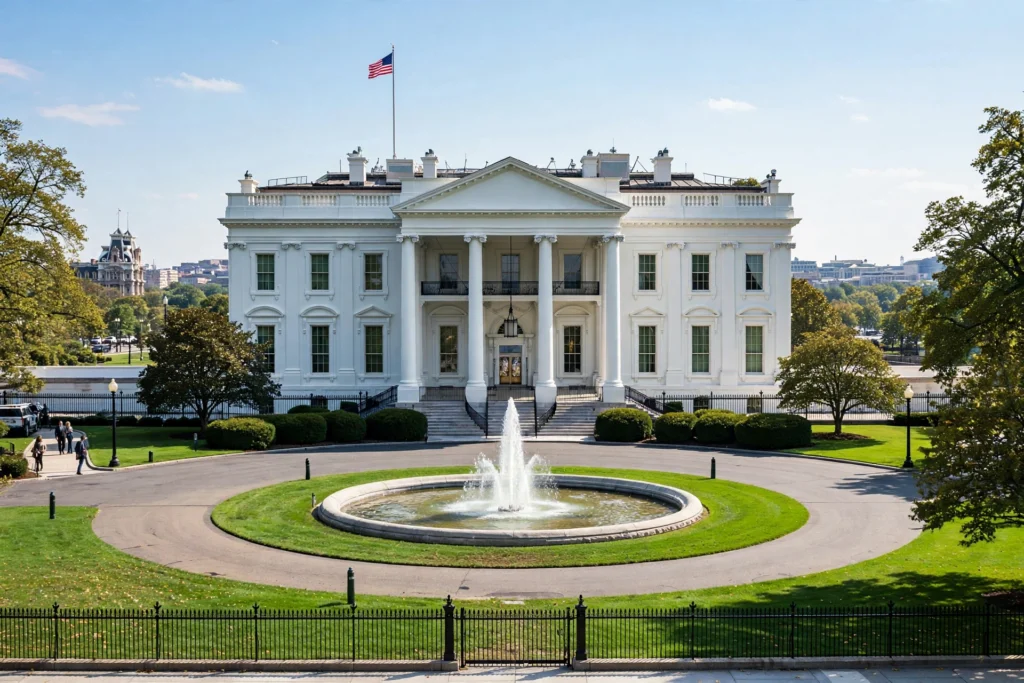
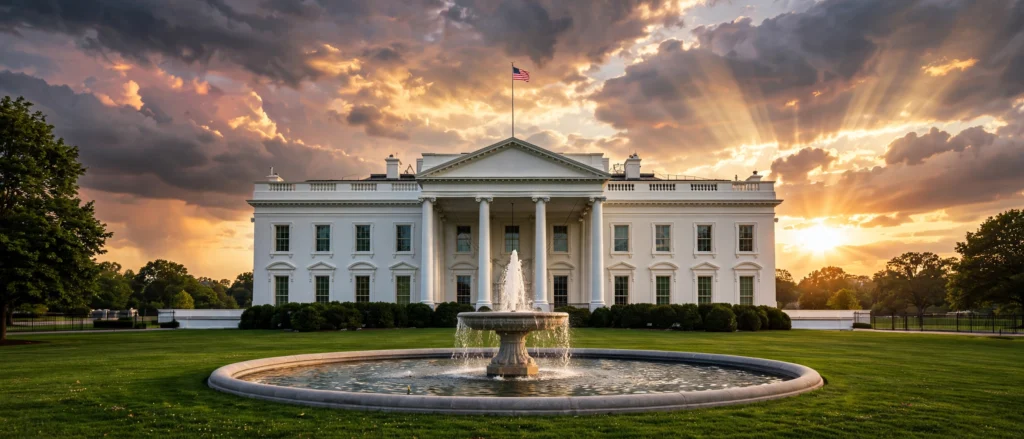
The White House holds the same significance in American politics as the official residence of the Prime Minister of India at Lok Kalyan Marg. It is regarded as a powerful symbol of the American Presidency, democracy, and the nation’s political heritage. The White House is not merely a residence of the President of the United States; it represents the history, traditions, and leadership of one of the world’s most influential democracies.
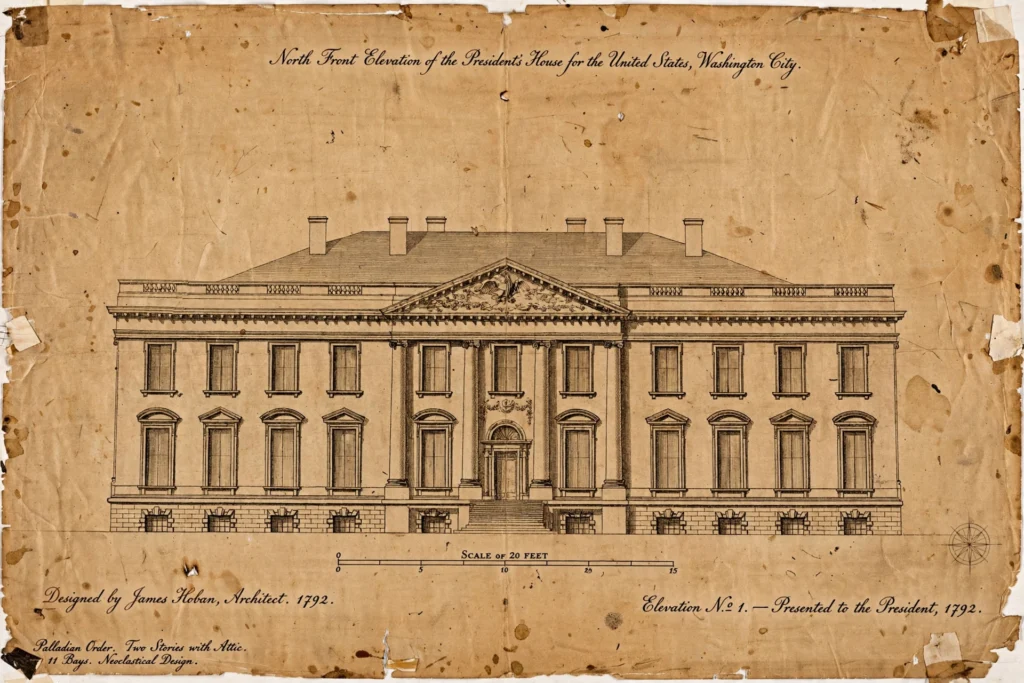
The construction of this iconic building began in 1792 and was completed in 1800. Today, the White House is spread across a historic complex featuring 132 rooms, 35 bathrooms, and a six-level residential structure, making it one of the most recognised government residences in the world.
History of Construction
The history of the White House began in December 1790, when the United States Congress decided to establish a new federal capital after the formation of the federal government. Under the leadership of the first President of the United States, George Washington, the location for the new capital was selected along the banks of the famous Potomac River.
The responsibility for planning the new federal city was given to renowned urban planner Pierre L’Enfant, who prepared the initial vision for Washington, D.C. As part of this development plan, a suitable location was selected for the construction of the President’s official residence, which today is known as 1600 Pennsylvania Avenue NW, Washington, D.C.
A design competition was organised for the proposed Presidential residence. Several architectural proposals were submitted, but the design created by Irish-born architect James Hoban was selected as the most impressive, practical, and elegant. His design reflected the principles of Neoclassical architecture, inspired by European architectural traditions.
George Washington Could Not Witness the Completed Building
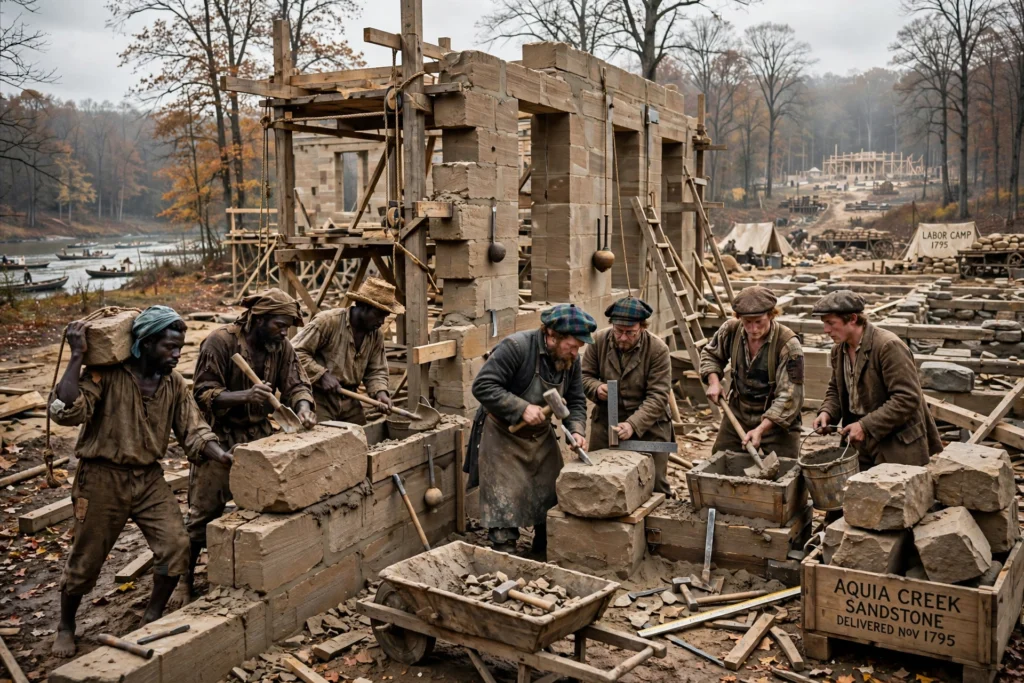
The construction of the White House officially began on 13 October 1792. However, America’s first President, George Washington, could not witness the completed structure. He passed away on 14 December 1799, before the building was fully completed.
The honour of becoming the first residents of this historic mansion went to President John Adams and First Lady Abigail Adams in the year 1800. Since then, every American President who has lived in the White House has made certain changes and improvements according to personal preferences and the requirements of the time.
Interesting Historical Facts About the White House
The building was not originally known as the “White House.” At the time of its construction, it was called the “President’s House” or “President’s Mansion.”
During the War of 1812 between the United States and Britain, British forces attacked Washington, D.C., on 24 August 1814 and set fire to several government buildings, including the President’s residence. The building suffered severe damage, and its walls were blackened by smoke and flames.
To restore its beauty and hide the damage caused by the fire, the exterior walls were painted white. Over time, the building became popularly known as the White House. The name was officially recognised during the administration of President Theodore Roosevelt in 1901.
Reconstruction and Major Changes
The White House has undergone several renovations throughout history. The West Wing, which houses the offices of the President and senior officials, suffered a major fire in 1929 during the presidency of Herbert Hoover. It was later reconstructed and modernised.
During the administration of President Harry S. Truman (1945–1953), extensive structural changes were carried out inside the White House. Due to concerns about the building’s safety and strength, a major renovation project was undertaken. During this period, President Truman and his family temporarily moved to Blair House, located near Pennsylvania Avenue.
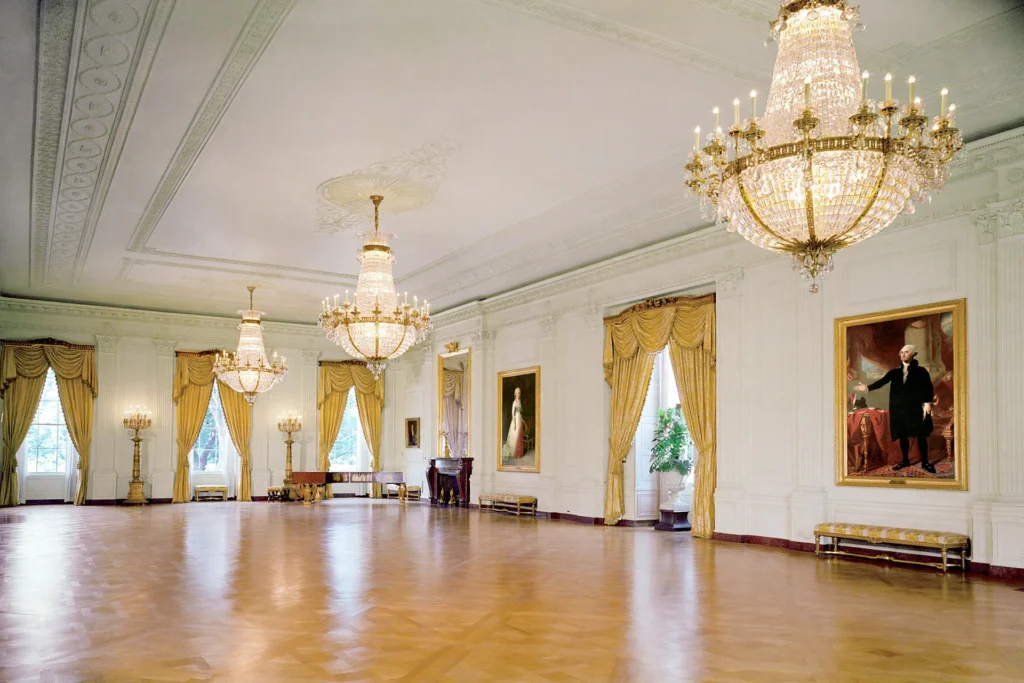
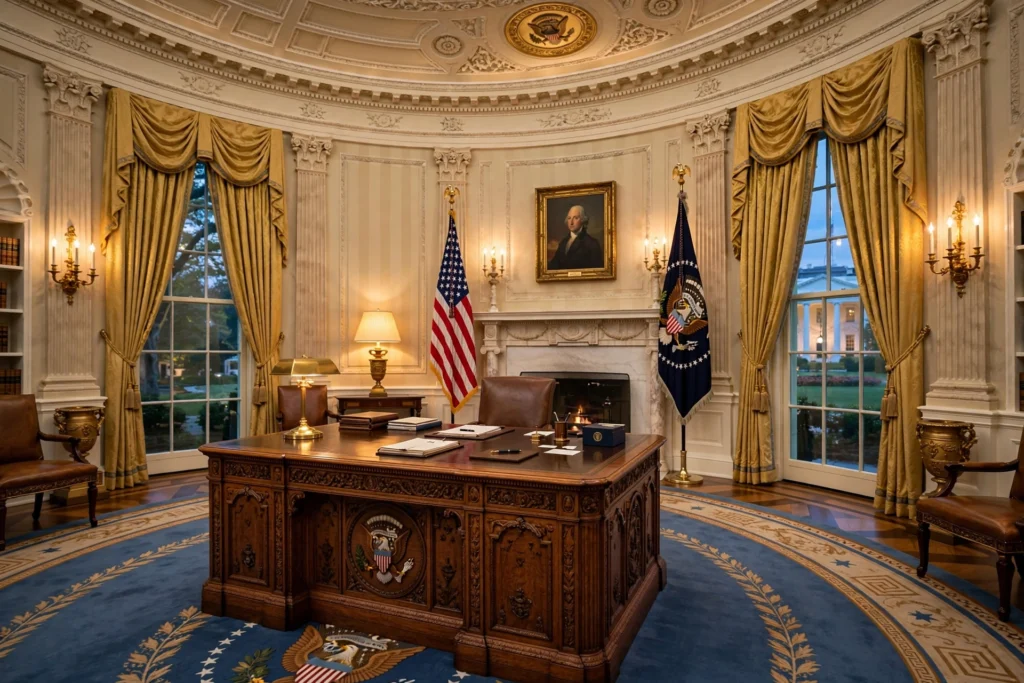
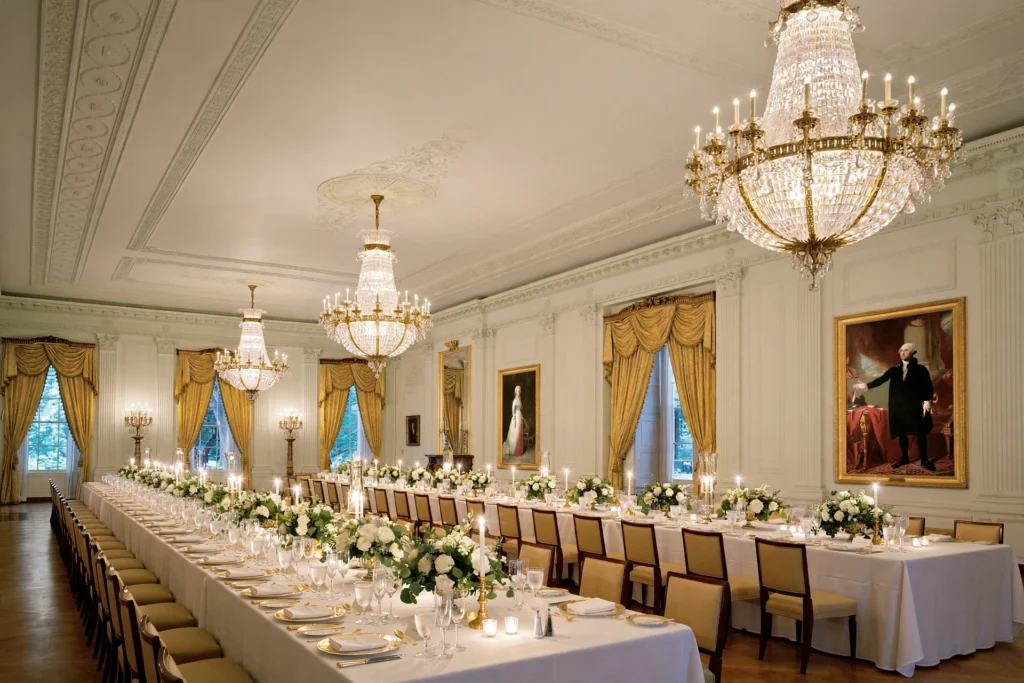
Over the years, different Presidents have added their personal touches to the interiors, gardens, and facilities of the White House, reflecting their individual tastes and the changing needs of the Presidency.
Opening the White House to the Public
President Thomas Jefferson introduced the tradition of opening the White House to ordinary citizens. In 1805, public receptions were organised where people could visit and greet the President.
During the presidency of Andrew Jackson, a large public gathering took place on 4 March 1829 during his inauguration celebrations. Thousands of visitors entered the White House, creating a chaotic situation due to overcrowding. Following such incidents, security arrangements around the Presidential residence were gradually strengthened.
Later, during the administration of President Grover Cleveland, the practice of allowing unrestricted public access during Presidential ceremonies was discontinued. Since then, official Presidential events have been conducted under stricter security arrangements.
Architectural Grandeur and Modern Facilities
The scale and magnificence of the White House can be understood from its remarkable features. The historic building includes:
- 132 Rooms
- 35 Bathrooms
- 412 Doors
- 147 Windows
- 28 Fireplaces
- 8 Staircases
- 3 Elevators
The exterior of the White House requires approximately 570 gallons of white paint for complete painting.
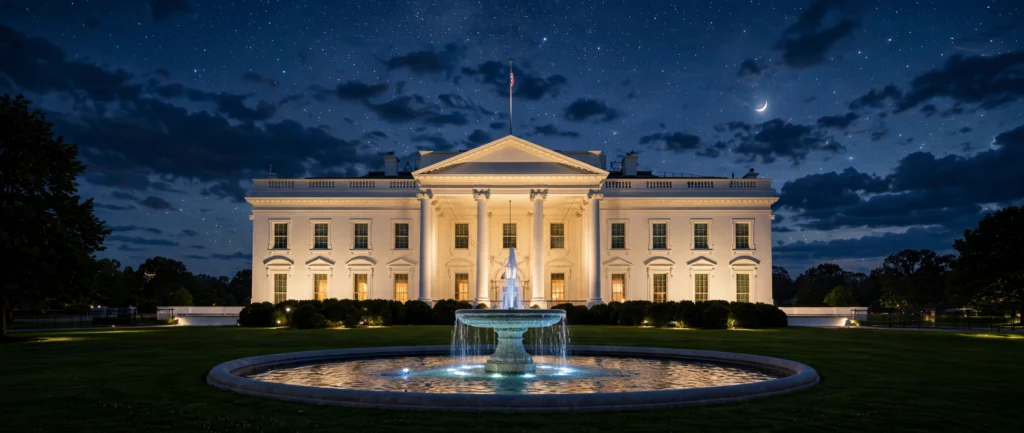
Apart from serving as the President’s residence and workplace, the White House is equipped with several modern facilities, including:
- Tennis Court
- Jogging Track
- Swimming Pool
- Movie Theatre
- Bowling Alley
A Symbol of American History and Democracy
Today, the White House is much more than a presidential residence. It is a living symbol of American democracy, leadership, and history. For more than two centuries, this magnificent structure has witnessed important decisions, historic moments, and the evolution of the United States as a global power.
The White House continues to stand as an architectural masterpiece and a symbol of the hopes, responsibilities, and traditions associated with the American Presidency.


 By
By
 By
By
 Internet Magazin says: