
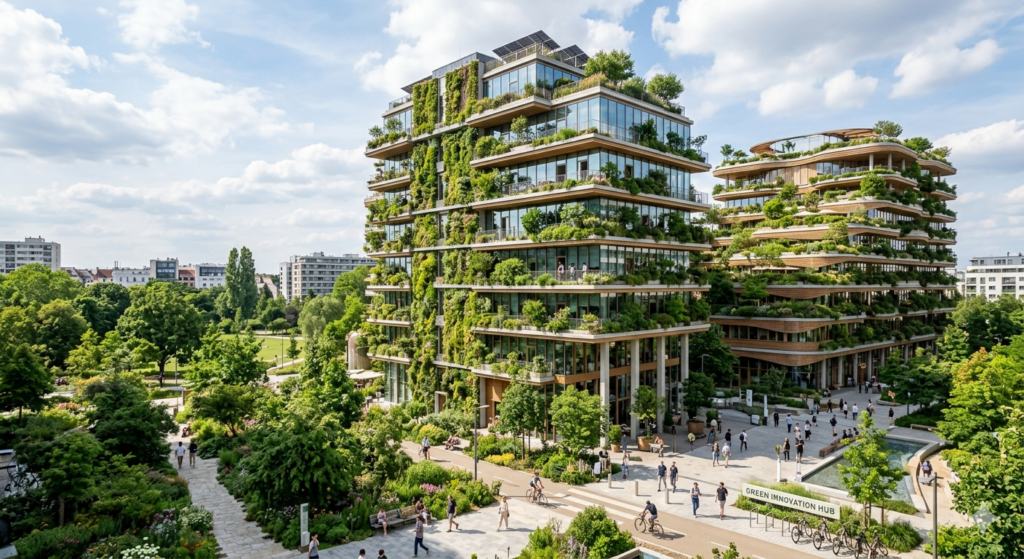
The real estate sector is witnessing rapid growth, with developers launching innovative residential projects to attract modern homebuyers. Among the various concepts gaining popularity, the Green Home concept has emerged as one of the most sought-after trends in residential development.
Today, many developers promote their projects as eco-friendly by showcasing landscaped gardens and green surroundings. However, true green homes go far beyond aesthetics. A genuine green home is designed to reduce environmental impact, conserve natural resources, improve energy efficiency, and provide healthier living conditions for residents.
While only a limited number of residential projects currently meet comprehensive green building standards, growing environmental awareness and rising energy costs are driving increased demand for sustainable housing solutions.
Why Green Homes Matter
As urbanization accelerates and demand for housing continues to rise, the pressure on natural resources is increasing significantly. Modern lifestyles depend heavily on electricity, water, and other utilities. Air conditioners, refrigerators, water heaters, lighting systems, and electronic devices have become essential components of contemporary living.
While these amenities improve comfort, they also contribute to higher energy consumption and increased utility bills.
Green homes are designed to address this challenge by reducing resource consumption without compromising comfort. They help homeowners enjoy modern conveniences while lowering operating costs and minimizing their environmental footprint.
Benefits of Green Homes
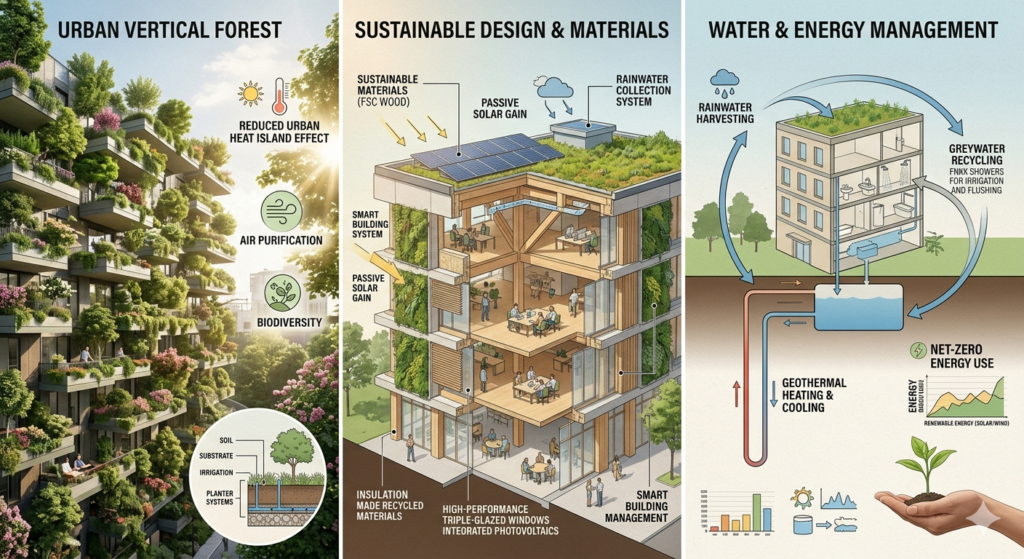
Green homes offer several long-term advantages:
- Lower electricity consumption
- Reduced water usage
- Lower utility bills
- Improved indoor air quality
- Enhanced thermal comfort
- Reduced environmental impact
- Higher long-term property value
- Sustainable living for future generations
For homeowners, the biggest attraction is the ability to maintain a comfortable lifestyle while significantly reducing monthly operating expenses.
What Is a Green Home?
A green home is a residential property designed, constructed, and operated to maximize energy efficiency, conserve natural resources, and provide a healthy living environment.
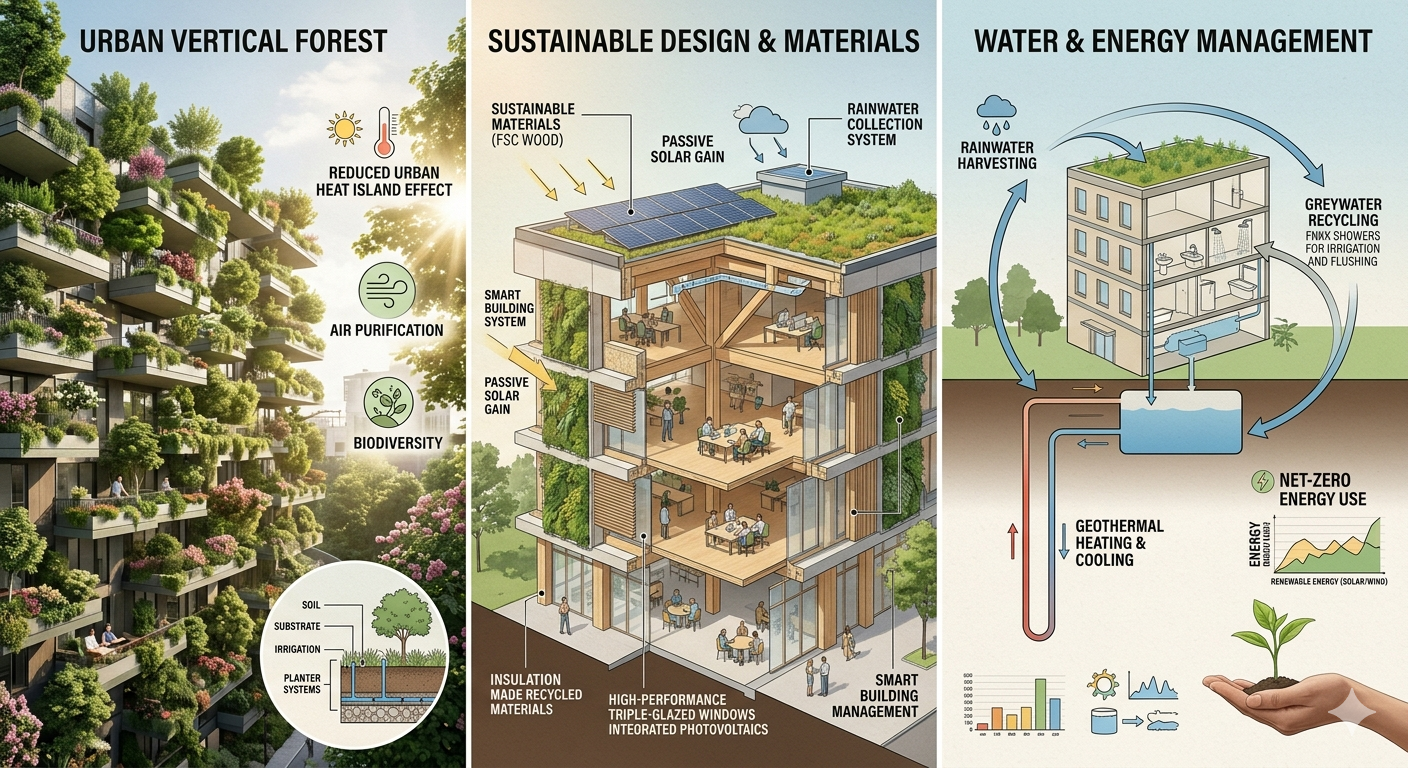
Such homes are planned to utilize natural light, natural ventilation, renewable energy sources, and environmentally responsible building materials.
The objective is to create a balance between modern living and environmental sustainability.
Green Building Certification and Ratings
Green buildings are typically evaluated and certified by recognized sustainability assessment organizations.
Certification standards assess various parameters, including:
- Energy efficiency
- Water conservation
- Indoor environmental quality
- Sustainable building materials
- Waste management systems
- Environmental impact
Based on performance, projects may receive ratings such as Silver, Gold, or Platinum, reflecting the extent to which they comply with green building principles.
These ratings help homebuyers identify projects that genuinely prioritize sustainability.
Are Green Buildings More Expensive?
One of the most common misconceptions is that green homes are prohibitively expensive.
While green buildings may involve slightly higher initial construction costs due to specialized materials, technologies, and systems, they often generate substantial long-term savings through lower utility expenses and reduced maintenance costs.
The additional investment is frequently recovered over time through energy and water savings.
Features Commonly Found in Green Homes
Energy-Efficient Building Materials
Green homes often use treated and sustainable construction materials that improve insulation and reduce heat transfer.
High-performance materials help maintain comfortable indoor temperatures and reduce dependence on air conditioning systems.
High-Performance Glass
Modern green buildings frequently incorporate energy-efficient glazing systems.
These specialized glass panels help:
- Reduce heat gain from outside
- Improve indoor comfort
- Enhance natural daylight
- Lower cooling requirements
As a result, homeowners can significantly reduce air-conditioning costs.
Optimized Natural Lighting
Green homes are designed to maximize daylight penetration through proper orientation, window placement, and architectural planning.
This reduces dependence on artificial lighting during daytime hours and lowers electricity consumption.
LED Lighting Systems
Energy-efficient LED lighting is a standard feature in most green homes.
Although LED fixtures may have a higher upfront cost compared to conventional lighting, they consume significantly less electricity and offer a much longer lifespan, resulting in considerable savings over time.
Renewable Energy Solutions
Solar Water Heating Systems
Solar water heaters use sunlight to heat water, reducing dependence on electric water heaters.
Although installation requires an initial investment, homeowners often recover the cost through lower electricity bills within a few years.
Solar Photovoltaic Panels
Solar photovoltaic (PV) systems convert sunlight directly into electricity.
Benefits include:
- Reduced electricity bills
- Backup power support
- Lower carbon emissions
- Increased energy independence
As solar technology becomes more affordable, residential adoption continues to grow.
Smarter Building Design
Insulated Walls and Thermal Cavities
Green homes often incorporate insulated wall systems and cavity walls that reduce heat transfer from outside.
These designs help maintain comfortable indoor temperatures throughout the year, lowering cooling and heating requirements.
Efficient Roofing Systems
Innovative roofing technologies, including insulated slabs and precast roofing elements, can improve thermal performance while reducing construction costs.
These systems help keep interiors cooler and improve overall energy efficiency.
Rainwater Harvesting: A Critical Sustainability Feature
Water scarcity is becoming a major challenge in many urban areas. Rainwater harvesting has therefore become an essential component of sustainable housing developments.
Rainwater harvesting systems collect and store rainwater for future use while also helping recharge groundwater reserves.
Key benefits include:
- Reduced dependence on municipal water supply
- Groundwater recharge
- Better water management
- Enhanced environmental sustainability
Many green residential projects now integrate rainwater harvesting systems as a standard feature.
Waste Management and Recycling
Modern green developments also focus on responsible waste management.
These projects often include systems for:
- Recycling wastewater
- Reusing treated water for landscaping
- Segregating solid waste
- Reducing environmental pollution
Such measures contribute significantly to sustainable urban development.
Growing Demand for Green Homes
Although the green housing segment is still evolving, awareness among homebuyers is increasing rapidly. Rising utility costs, environmental concerns, and government initiatives promoting sustainability are encouraging both developers and consumers to embrace greener living solutions.
Many developers now highlight sustainability features as key selling points, but buyers should carefully evaluate certifications, technologies, and actual performance claims before making a purchase decision.
The Road Ahead
Green homes are no longer just an environmental choice—they are becoming a practical financial decision as well. By reducing energy consumption, conserving water, improving indoor comfort, and lowering long-term operating costs, green homes offer a sustainable solution for modern urban living.
As environmental concerns continue to grow and sustainable technologies become more accessible, green homes are expected to play a central role in shaping the future of residential real estate.

 By
By
 By
By