
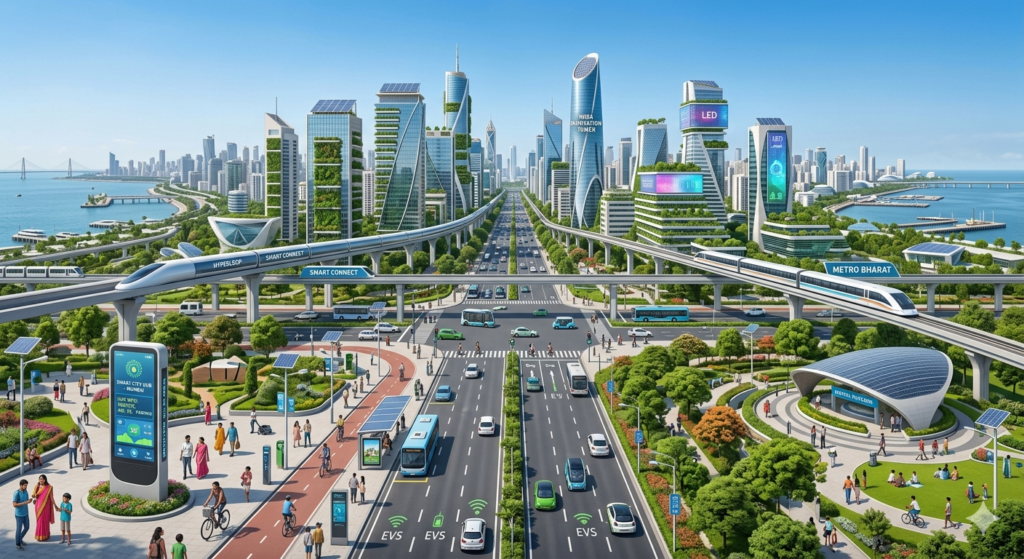
India’s population continues to grow every day, and a significant portion of this population is migrating to urban areas. According to global estimates, the world’s urban population is expected to nearly double by 2050. This means that every year, the equivalent of several new metropolitan cities will need to be developed to accommodate the increasing number of urban residents.
Urban areas play a crucial role in a country’s economic growth. Currently, around 35% of India’s population lives in cities, yet these urban centers contribute more than 60% of the nation’s GDP. Experts estimate that in the coming decades, urban India could account for nearly 75% of the country’s economic output.
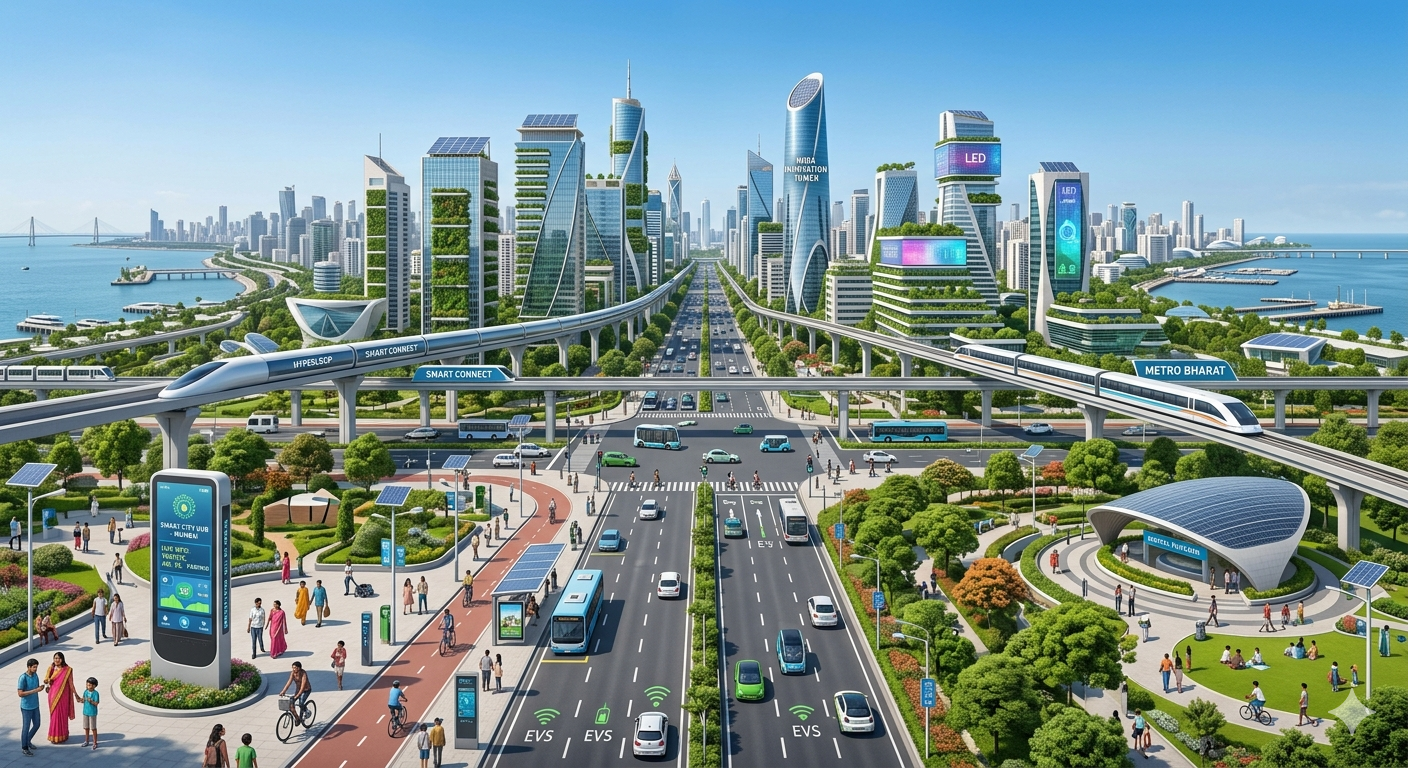
Cities act as engines of growth, driving both economic development and social transformation. As urban populations continue to expand, India will require more smart cities capable of providing efficient, sustainable, and high-quality living environments. Smart cities are designed to address urban challenges through the effective use of technology, innovation, and modern governance.
The concept of a smart city can be compared to the difference between a basic mobile phone and a smartphone. While both serve the same basic purpose, a smartphone offers advanced features, better connectivity, and greater efficiency. Similarly, smart cities aim to deliver improved services, enhanced infrastructure, and a higher quality of life for residents.
A smart city is built on three key pillars: competitiveness, sustainability, and inclusiveness. However, technology alone cannot create a smart city. Effective leadership and responsible citizens are equally important. Strong urban governance requires visionary leaders who can make timely decisions, improve administration, prevent illegal construction and encroachments, and ensure law and order.
At the same time, citizens must actively participate in city development by following rules, paying for public services, raising questions when necessary, and contributing to community welfare. The success of any smart city depends on the partnership between efficient governance and responsible citizens.
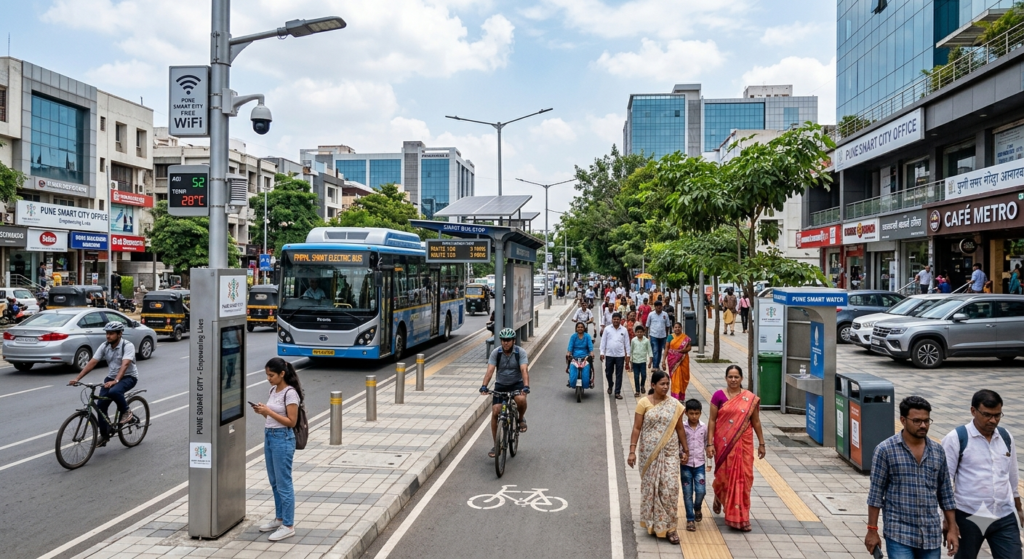
Characteristics of a Smart City
A smart city offers:
- Comfortable and convenient urban living
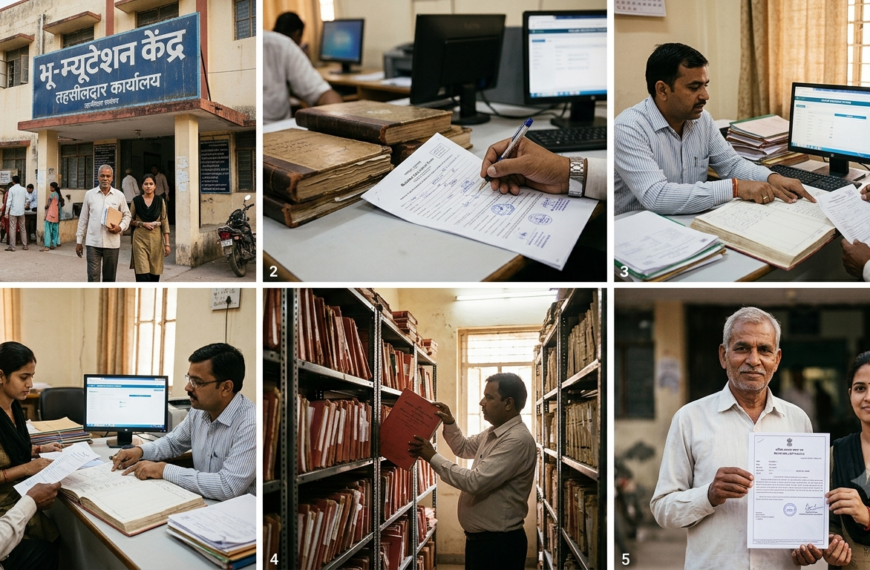
- Efficient and transparent governance
- Quality healthcare and education services
- Reliable 24×7 electricity and water supply
- Modern transportation systems
- High standards of cleanliness and sanitation
- Employment opportunities for residents
- Strong digital and cyber connectivity
- Equal access to services regardless of income, age, or gender
The ultimate goal is to create prosperous, healthy, sustainable, and happy cities.
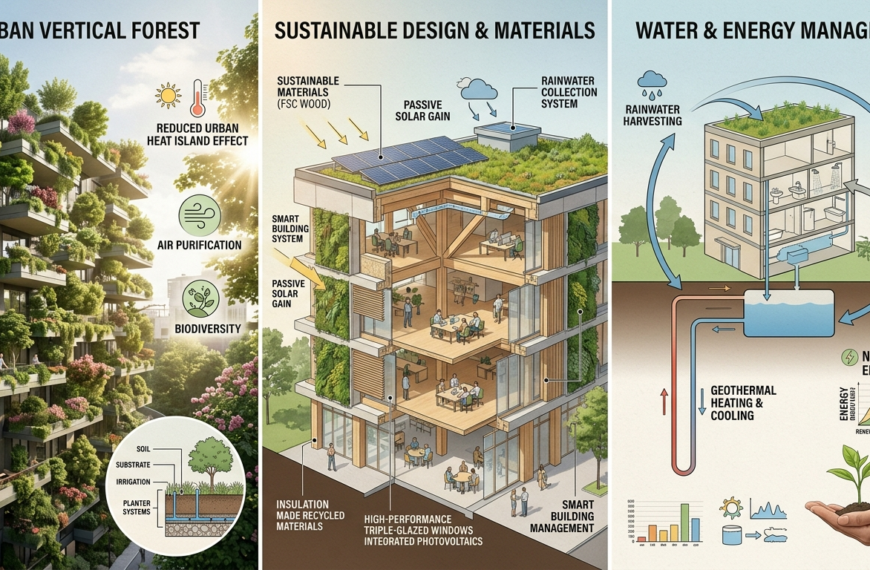
Smart cities also focus on environmental responsibility. They promote efficient use of natural resources, waste reduction, recycling, rainwater harvesting, renewable energy, and sustainable urban planning.
Urban Reality and the Need for Smart Cities
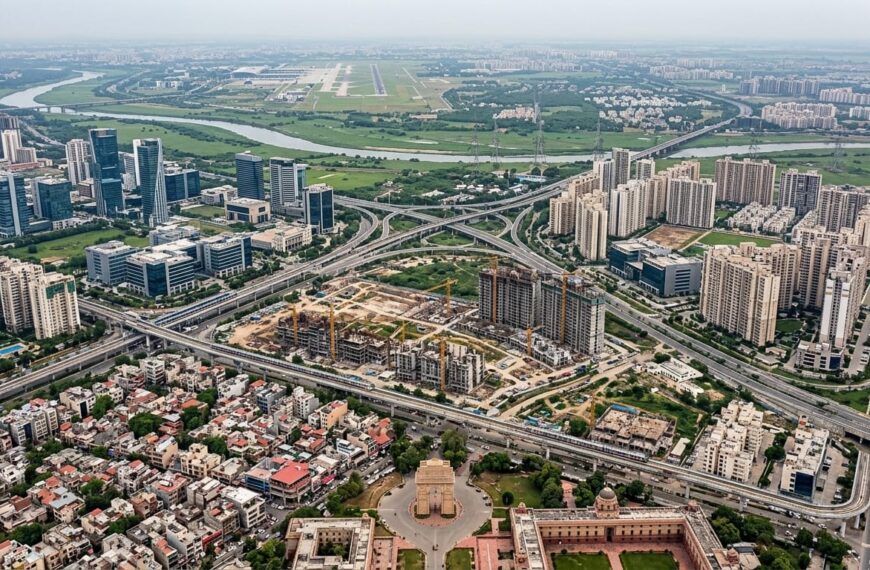
India is witnessing rapid urbanization. Millions of people continue to move from rural areas to cities in search of better employment, education, and healthcare opportunities. This trend is expected to continue in the coming decades, placing tremendous pressure on existing urban infrastructure.
Urbanization and economic development are closely linked. Well-planned cities attract investments, generate employment, and improve productivity. Therefore, developing smart cities is essential not only for managing population growth but also for sustaining India’s long-term economic progress.
Recognizing this need, the Government of India launched the Smart Cities Mission to improve urban infrastructure, enhance public services, and promote sustainable urban development.
Key Recommendations from States
To strengthen the implementation of smart city projects, state governments have suggested several measures:
- Greater flexibility in project implementation.
- Performance-based incentives.
- Capacity building for adopting new technologies.
- Increased central financial assistance.
- Faster approval processes.
- Adequate funding for water supply and solid waste management projects.
- Greater support for capital expenditure.
- Creation of Special Purpose Vehicles (SPVs) for project execution.
- Financial assistance for preparing feasibility and project reports.
- Technical guidance from the central government on emerging technologies.
Several states have also highlighted the challenges associated with Public-Private Partnership (PPP) models, particularly regarding user charges and project financing.
Smart City Facts
- Smart cities around the world extensively use digital technologies to improve governance and service delivery.
- Modern smart cities rely on sensors, surveillance systems, wireless networks, data centers, and integrated command-and-control centers.
- Sustainable infrastructure, energy efficiency, and environmentally friendly development are central features of smart city planning.
- Advanced waste management systems, intelligent transportation networks, and smart utilities help improve operational efficiency and quality of life.
- Digital connectivity enables better communication between citizens and government agencies, resulting in more responsive governance.
Final Word
As India continues its journey toward becoming a major global economy, the development of smart cities will play a critical role in shaping the country’s future. Smart cities are not merely technology-driven urban centers; they are sustainable, inclusive, and citizen-centric ecosystems designed to improve the quality of life while supporting economic growth. Through effective governance, responsible citizenship, and innovative infrastructure, smart cities can help build a more prosperous and resilient India.


 By
By
 By
By