
For many homebuyers, purchasing a property is one of the biggest financial decisions of their lives. Developers often launch attractive housing schemes, offer flexible payment plans, and promise timely possession to attract customers. However, when buyers seek a refund due to project delays, changes in plans, financial constraints, or non-delivery of promised units, recovering their money can become a lengthy and frustrating process.
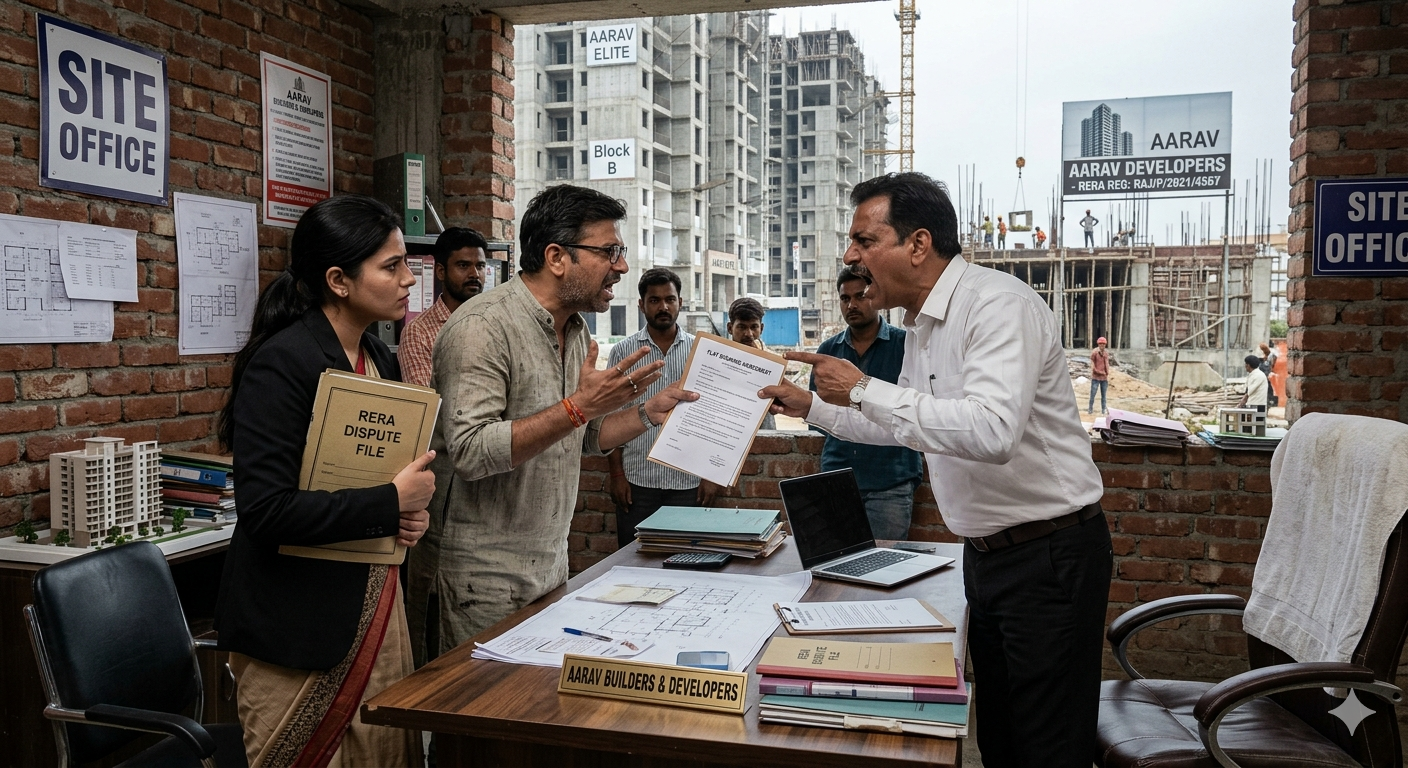
While developers generally collect booking amounts and installment payments without difficulty, many buyers report facing significant challenges when requesting refunds. In some cases, refund disputes drag on for months or even years, leaving homebuyers financially and emotionally stressed.
The Growing Concern Over Refund Delays
India’s real estate market continues to attract both end-users and investors seeking long-term returns. Developers frequently promote projects with promises of premium amenities, strategic locations, attractive pricing, and assured delivery timelines.
However, market slowdowns, funding constraints, regulatory challenges, project delays, and changing economic conditions can affect project execution. As a result, some homebuyers may decide to cancel their bookings and seek refunds.
The problem arises when refund requests are delayed, partially processed, or disputed. Buyers often find themselves caught between developers, lenders, and legal procedures while continuing to bear the burden of loan repayments, interest costs, and financial uncertainty.
In certain instances, developers may cite contractual clauses, cancellation charges, or project-related complications as reasons for withholding refunds. Such situations can leave buyers feeling helpless, especially when a significant portion of their savings is locked into a stalled or delayed project.
Why Refund Disputes Occur
Refund-related disputes commonly arise due to:
- Delayed project completion.
- Non-delivery of possession within promised timelines.
- Changes in project specifications.
- Financial difficulties faced by developers.
- Disagreements over cancellation terms.
- Delays in regulatory approvals.
- Misleading marketing claims.
- Disputes regarding refund deductions and penalties.
Experts advise buyers to carefully review cancellation clauses, refund timelines, and force majeure provisions before signing any agreement.
Legal Remedies Available to Homebuyers
Today, homebuyers have stronger legal protections than ever before.
1. Real Estate Regulatory Authority (RERA)
The Real Estate (Regulation and Development) Act, 2016 (RERA) is one of the most effective mechanisms available to homebuyers.
If a developer fails to deliver possession as promised or violates project commitments, buyers can file complaints with the respective state RERA authority. Depending on the circumstances, RERA may direct the developer to:
- Refund the amount paid by the buyer.
- Pay applicable interest on delayed refunds.
- Compensate the buyer for losses.
- Comply with project obligations.
RERA has significantly improved accountability and transparency across the real estate sector.
2. Consumer Commissions
Homebuyers can also approach consumer dispute redressal commissions if they believe there has been a deficiency in service or unfair trade practice.
Under the current consumer protection framework, complaints can be filed before the appropriate Consumer Commission depending on the value of the claim and applicable jurisdiction.
Consumer forums continue to be an important avenue for seeking compensation, refunds, and relief against errant developers.
3. Civil and Criminal Remedies
In cases involving alleged fraud, misrepresentation, or criminal misconduct, buyers may pursue civil or criminal legal remedies through the courts and law enforcement agencies.
Supporting evidence such as:
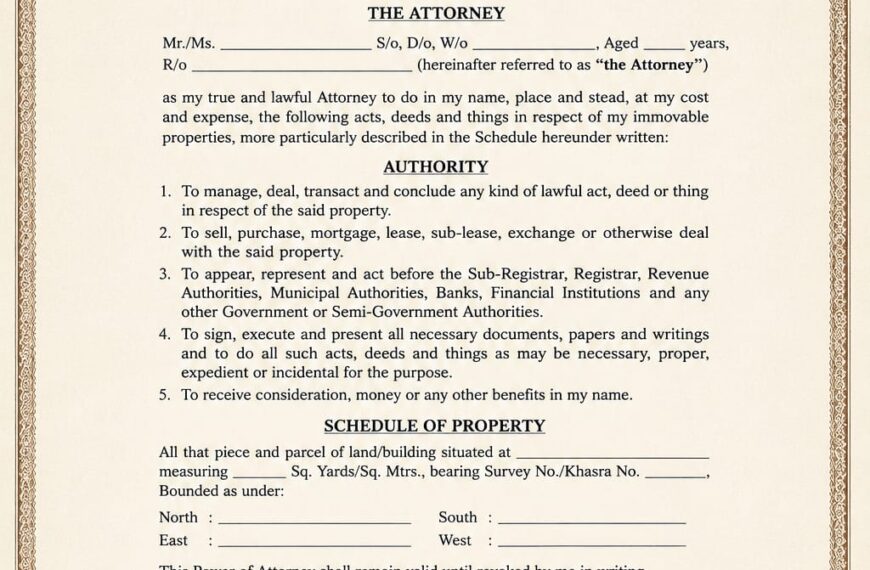
- Builder-buyer agreements
- Payment receipts
- Email correspondence
- Marketing brochures
- Project photographs
- Site inspection reports
can strengthen a buyer’s case.
Importance of Documentation
One of the biggest mistakes homebuyers make is failing to maintain proper records.
Buyers should preserve:
- Booking forms
- All payment receipts
- Builder-buyer agreements
- Demand letters
- Possession commitments
- Project brochures
- Email and written communications
Well-maintained documentation can play a critical role in legal proceedings and dispute resolution.
How Buyers Can Protect Themselves
Before investing in any real estate project, buyers should conduct thorough due diligence.
Verify the Developer’s Track Record
Research:
- Previous projects delivered by the developer.
- Delivery timelines.
- Customer reviews and complaints.
- Financial credibility.
- Litigation history, if any.
Check RERA Registration
Always verify whether the project is registered under the applicable state RERA authority and review project disclosures available on the regulator’s website.
Understand Refund and Cancellation Clauses
Read the agreement carefully and seek legal advice if necessary. Particular attention should be paid to:
- Cancellation charges.
- Refund timelines.
- Interest provisions.
- Exit options available to buyers.
Evaluate Financing Terms
If the purchase is being funded through a home loan, buyers should also understand:
- Loan processing fees.
- Prepayment conditions.
- Interest rate structure.
- Other hidden charges.
A clear understanding of financing obligations can prevent financial stress in the future.
The Need for Greater Consumer Awareness
While regulations have improved significantly in recent years, buyer awareness remains one of the strongest safeguards against fraud and financial loss.
A well-informed buyer is less likely to fall victim to misleading advertisements, unrealistic promises, or questionable projects. Conducting independent research, verifying approvals, reviewing legal documents, and consulting professionals when required can substantially reduce investment risk.
Conclusion
Refund disputes remain one of the most sensitive issues in the real estate sector. Although regulatory reforms such as RERA have strengthened buyer protection, homebuyers must continue to exercise caution before making investment decisions.
Careful due diligence, proper documentation, awareness of legal rights, and timely action in case of disputes can help buyers safeguard their interests and avoid unnecessary financial hardship. In today’s real estate market, informed decision-making is the best protection against future complications.


 By
By

 By
By