
Buying a home is one of the most important financial decisions in a person’s life. Unlike everyday purchases, a house is a long-term investment that often involves years of savings and financial planning. Most homebuyers carefully evaluate factors such as location, developer reputation, pricing, amenities, possession timelines, and interior specifications before making a purchase decision.
However, one critical aspect that is often overlooked is construction quality.
The reality is that many buyers have limited technical knowledge about construction standards and building engineering. As a result, they rely heavily on marketing brochures and sales presentations without fully understanding the quality of the structure they are investing in.
So, how can a homebuyer assess the construction quality of a project? Here are some key factors to consider.
Why Construction Quality Matters
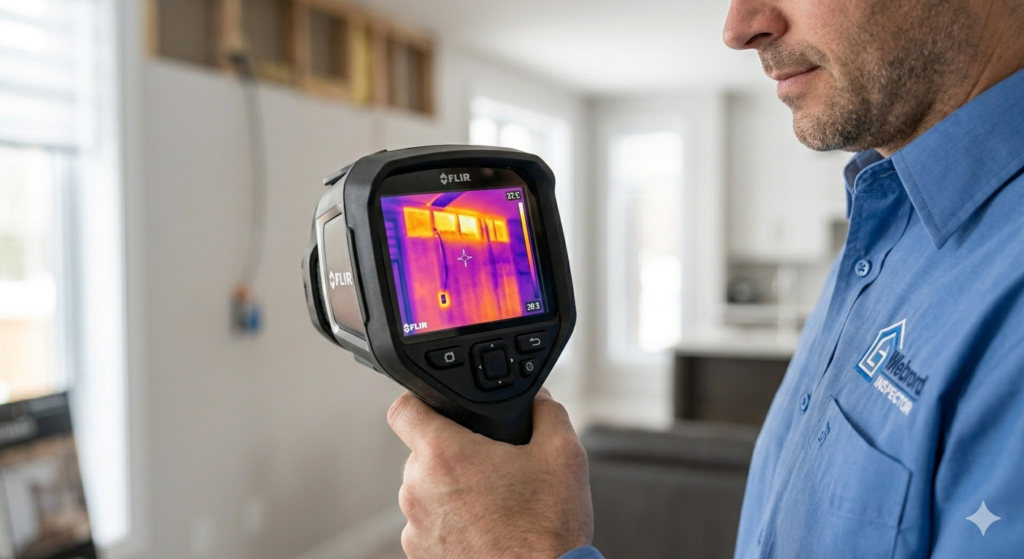
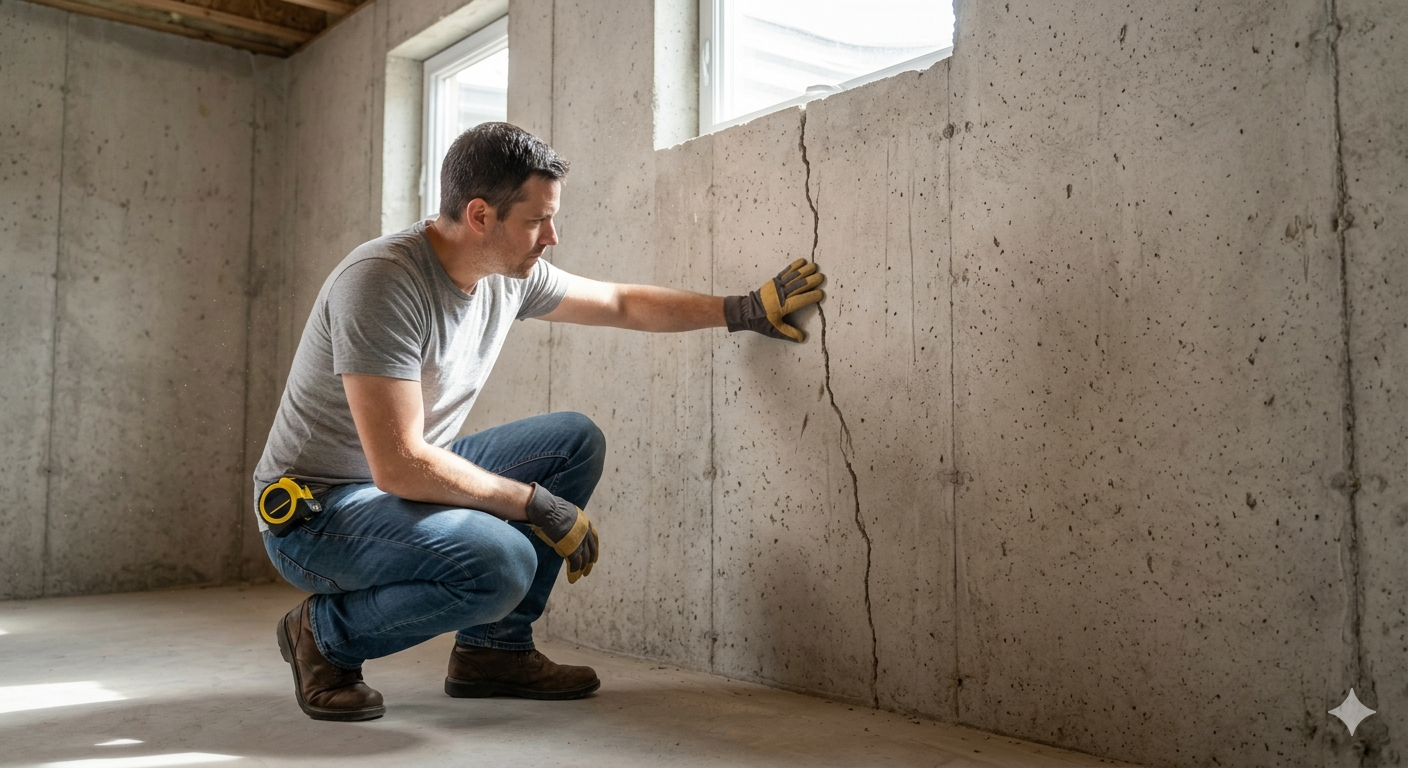
India’s real estate sector continues to witness rapid growth, with developers launching residential projects ranging from affordable housing to luxury high-rise developments. While competition among developers has improved design and amenities, complaints regarding construction defects, poor workmanship, water leakage, cracks, and substandard materials still arise in some projects.
Construction quality is not merely about aesthetics; it directly affects the safety, durability, maintenance costs, and long-term value of a property.
Experts believe that compliance with building codes, engineering standards, and quality control procedures is essential to ensure structural safety and occupant well-being.
Review the Project Documentation
A responsible developer should provide clear information regarding construction specifications and material standards.
Before purchasing a property, buyers should carefully review:
- Approved building plans
- Structural design certifications
- Material specifications
- Electrical and plumbing details
- Flooring specifications
- Door and window specifications
- Fire safety provisions
- Warranty and defect liability commitments
Before taking possession, buyers should verify whether the specifications promised during booking match the actual construction.
Visit the Construction Site
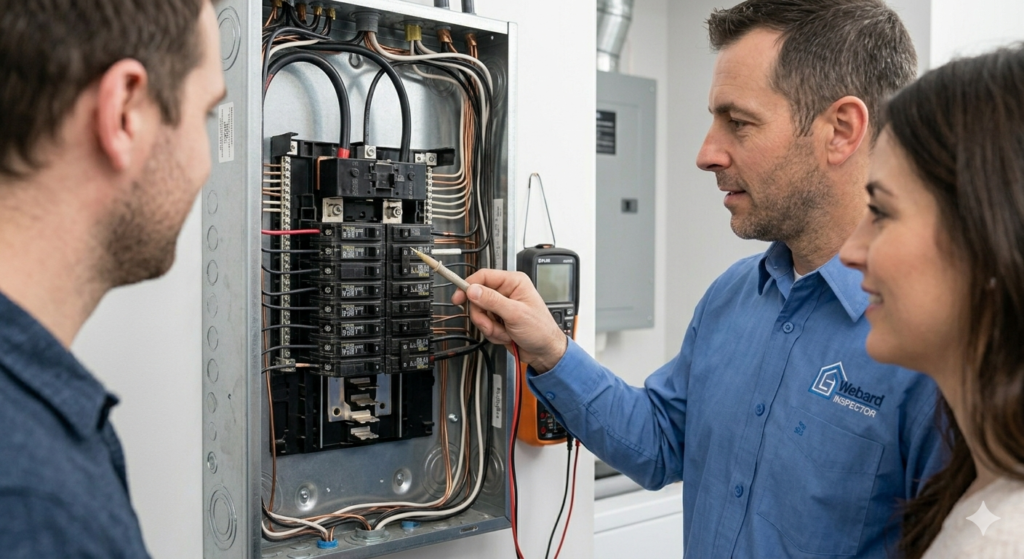
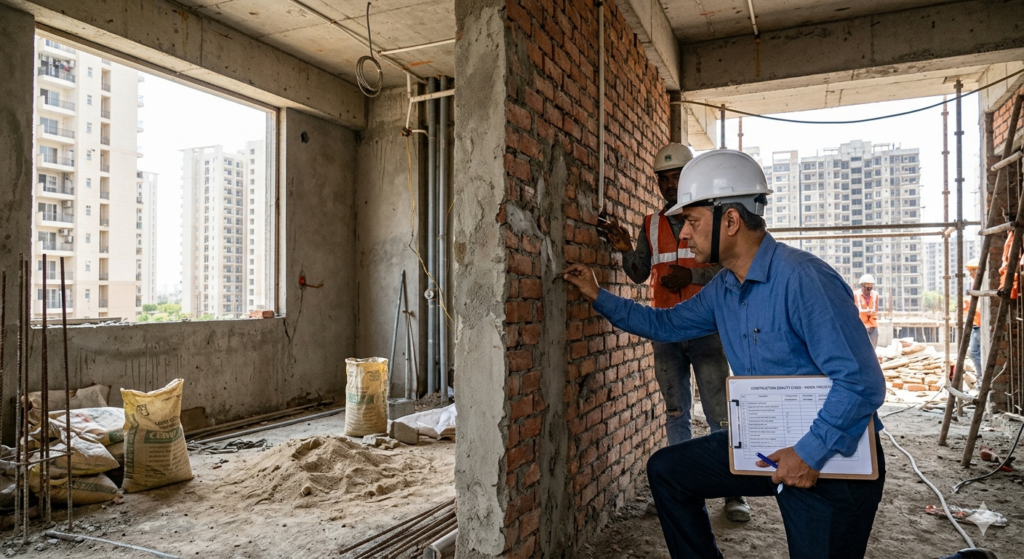
One of the best ways to assess construction quality is by visiting the project site personally.
During the visit, observe:
- Quality of workmanship
- Site cleanliness and safety standards
- Storage of construction materials
- Structural progress
- Finishing quality in sample units
- Presence of quality control procedures
If possible, make multiple visits during different stages of construction rather than relying solely on sample flats.
Verify Soil Testing Reports
The strength of any building begins with its foundation, and the foundation depends largely on soil conditions.
Before construction begins, developers typically conduct geotechnical investigations and soil testing to determine the load-bearing capacity of the land.
Homebuyers can request information regarding:
- Soil investigation reports
- Foundation design methodology
- Site suitability assessments
A properly designed foundation is essential for the long-term stability of the structure.
Examine the Structural Design
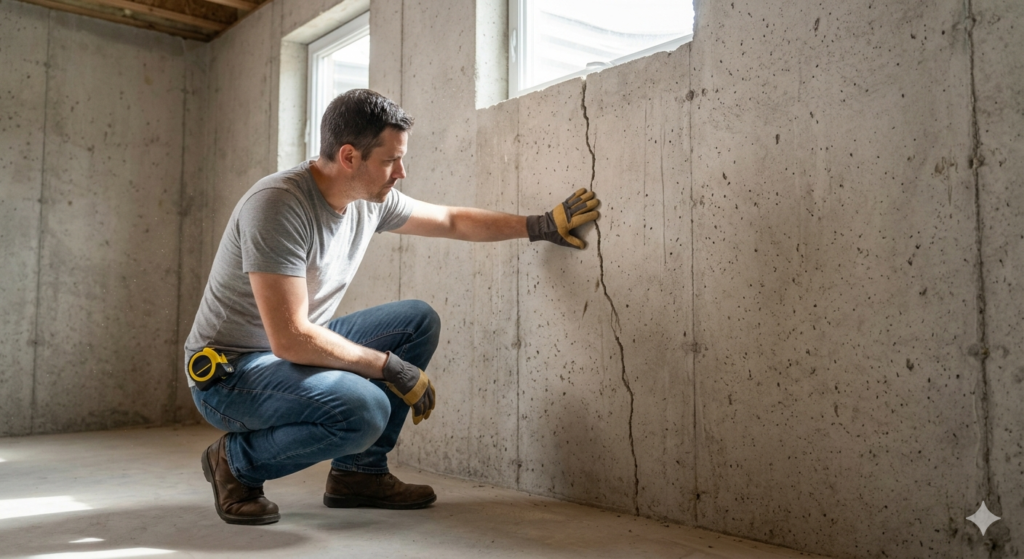
While structural engineering drawings may be difficult for a layperson to understand, buyers can seek an independent opinion from a qualified structural engineer.
Key questions to consider include:
- Is the building designed according to current building codes?
- Does the structure comply with seismic safety requirements?
- Is the project located in an earthquake-prone zone?
- Has the design been adapted to the specific seismic zone of the area?
Modern residential projects are generally designed according to applicable seismic and structural safety standards, but independent verification can provide additional confidence.
Check Concrete and Material Quality
The strength of a building largely depends on the quality of concrete, steel reinforcement, and construction materials.
Homebuyers should inquire about:
- Concrete grade used in construction
- Steel quality certifications
- Material testing reports
- Quality control procedures
- Laboratory testing records
Many reputed developers use ready-mix concrete (RMC) and conduct regular third-party quality tests to ensure compliance with engineering standards.
Verify Wall Thickness and Layout
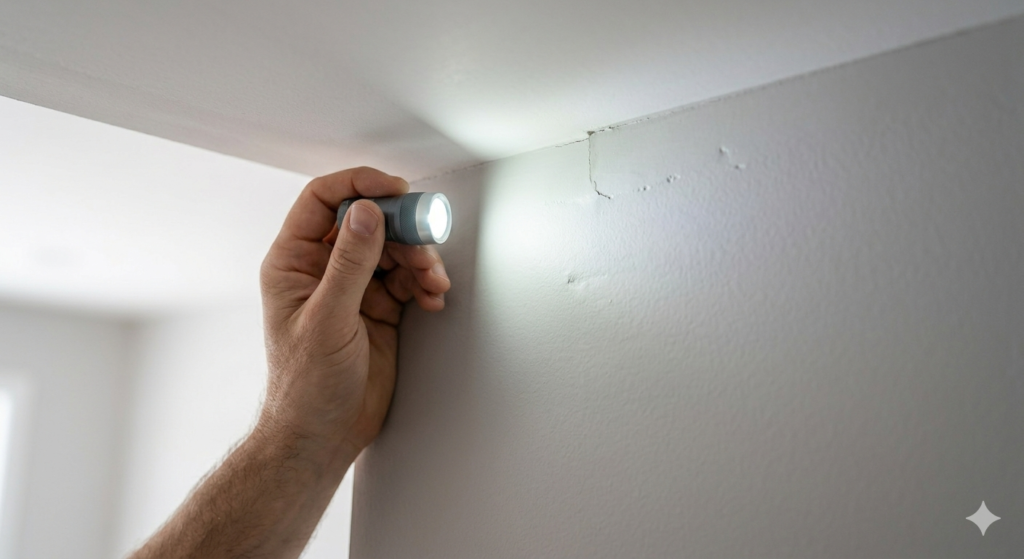
Buyers should compare the actual construction with the approved floor plans and specifications provided by the developer.
Check whether:
- Wall thickness matches approved plans
- Room dimensions are as promised
- Structural elements have not been altered
- Layout execution matches sanctioned drawings
Any significant deviations should be clarified before possession.
Inspect Interior Finishes Carefully
At the time of possession, conduct a detailed inspection of all interior components.
Pay special attention to:
- Bathroom fittings and fixtures
- Electrical wiring and switchboards
- Flooring and tile quality
- Paint finish
- Plumbing installations
- Door and window fittings
- Waterproofing quality
- Kitchen fittings and accessories
Buyers should also verify whether the materials used are from the brands and specifications promised by the developer.
Any defects or inconsistencies should be documented and reported before taking possession.
Consider a Third-Party Property Inspection
Most homebuyers lack the technical expertise required to evaluate every aspect of construction quality.
Hiring an independent property inspection consultant or structural auditor can be a valuable investment. These professionals can conduct a comprehensive assessment of:
- Structural quality
- Finishing standards
- Safety compliance
- Plumbing and electrical systems
- Waterproofing performance
- Construction defects
Their findings can help buyers identify issues that may otherwise go unnoticed.
Look for Quality Certifications
Projects developed by reputed builders often undergo independent quality audits and certifications.
Buyers can inquire whether the project has received:
- Third-party quality certifications
- Construction quality ratings
- Sustainability certifications
- Safety compliance certifications
Independent evaluations provide an additional layer of assurance regarding construction standards.
Final Thoughts
A home is one of the most valuable assets a person will ever own. While location, pricing, and amenities are important, construction quality ultimately determines how safe, durable, and comfortable the property will be over the long term.
Before making a purchase decision, buyers should conduct thorough due diligence, review project documentation, inspect the site, verify material quality, and seek professional advice when necessary. A little extra effort before buying can help avoid costly repairs and disappointments in the future.
In real estate, informed buyers make better investments. Always evaluate construction quality with the same attention you give to price and location.


 By
By

 By
By