

Mutation, commonly known as “Dakhil-Kharij” in India, is an essential process when purchasing or inheriting property. As the term suggests, mutation involves the legal transfer of ownership records from one person to another. It plays a crucial role in establishing and strengthening ownership rights over a property.
From a legal perspective, mutation refers to the process of updating the revenue records by changing the name of the property’s owner in the official records maintained by the concerned authorities. Mutation is also important for the assessment and payment of property taxes. Therefore, understanding the mutation process before purchasing a property can help safeguard both your present and future interests.
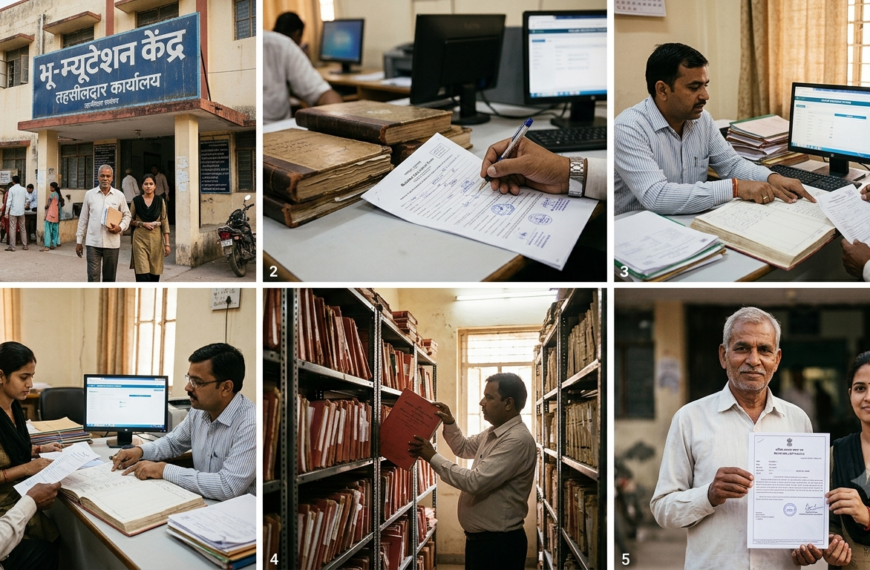
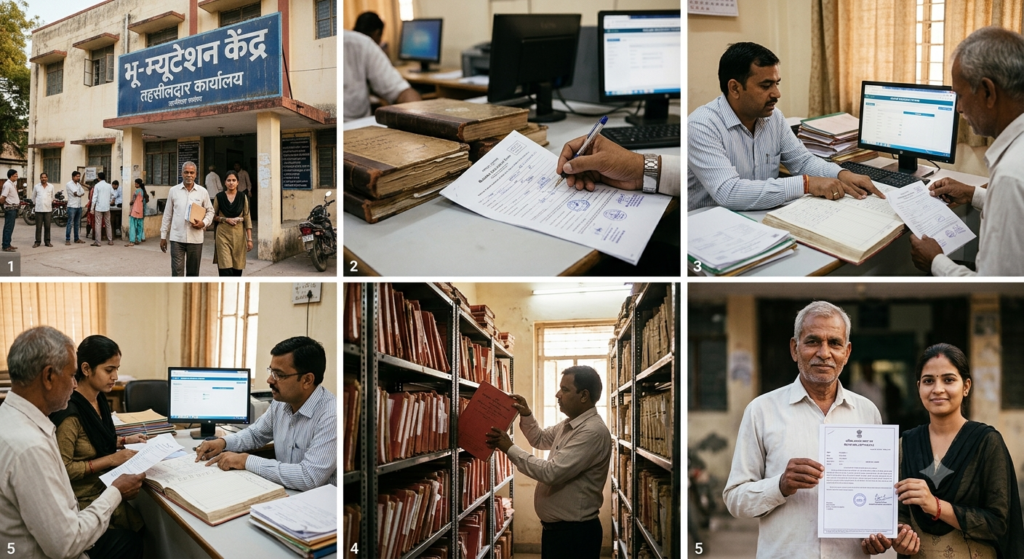
The following steps explain how the mutation process can help secure your ownership rights and ensure proper maintenance of property records.
Step 1: Submission of Application
If you wish to transfer the title of a property in favor of another person, an application must be submitted to the Tehsildar or the competent revenue authority having jurisdiction over the property.
The application should be prepared on plain paper and submitted along with the requisite non-judicial stamp paper, wherever required. It should clearly mention the names of both parties, the location of the property, and other relevant particulars relating to the transfer.
Step 2: Furnishing Property Details
The applicant must provide complete details of the property, including:
- The nature and description of the property.
- The location of the property.
- The legal basis of transfer of ownership.
- Names, father’s names, and complete addresses of both parties.
- The date on which ownership was transferred.
Copies of all relevant supporting documents must also be enclosed with the application. These may include:
- Sale Deed
- Will
- Gift Deed
- Succession Documents
- Other title-related documents
The applicant is also required to pay the prescribed mutation fee or transfer duty. If mutation is sought for only a portion of the property, the applicable fee will be charged proportionately. In the case of transfer of the entire property, all outstanding dues and applicable fees must be paid before mutation can be completed.
Step 3: Verification and Public Notice
Mutation facilitates the updating of municipal and revenue records and helps ensure the smooth payment of property taxes and other municipal charges.
After the application is submitted, the concerned authority generally issues a public notice inviting objections, if any, from interested persons regarding the proposed change in ownership.
A period of at least 15 days is usually provided for filing objections. Any objections received within the prescribed period are duly considered during the verification process.
The Patwari or concerned revenue official conducts an inquiry and records the statements of the parties involved. The statements are verified against the supporting documents submitted with the application.
Upon completion of the inquiry, the Patwari submits a report to the competent authority. If any dispute or objection arises during the process, the matter may be referred to the Revenue Assistant or other competent authority for adjudication.
Any person aggrieved by the decision of the Revenue Assistant may file an appeal before the Additional Collector or Deputy Commissioner within 30 days from the date of the order.
Step 4: Intimation to the Municipal Authority
If you sell a property or transfer its title to another person, it is important to inform the concerned Municipal Corporation or Municipal Authority.
Property taxes are payable by the person whose name appears in the municipal records. Once the ownership is transferred, liability for future taxes and municipal charges generally shifts to the new owner.
The purchaser should ensure that all previous property tax dues and other liabilities have been cleared by the seller before completing the transaction.
In cases where the recorded owner dies, the person in whose favor the property is inherited or transferred should notify the Municipal Corporation within the prescribed period, generally within six months of the death. Such notification is often necessary for updating municipal records and completing the mutation process.
Step 5: Mutation of Partial Property and Inherited Property
Mutation may also be carried out in respect of a portion of a property, provided that all applicable dues and fees relating to that portion have been paid.
Similarly, where property devolves upon multiple legal heirs under the law of succession, mutation may be recorded jointly in the names of all eligible heirs, subject to payment of applicable taxes, charges, and compliance with legal requirements.
Important Documents Required for Mutation
The following documents are generally required for mutation of property:
- Copy of the Sale Deed.
- Application for mutation along with the prescribed non-judicial stamp paper.
- Indemnity Bond executed on the prescribed stamp paper.
- Affidavit executed on the prescribed stamp paper.
- Property Tax payment receipts.
- Death Certificate of the original owner, along with the Will or Succession Certificate, wherever applicable.
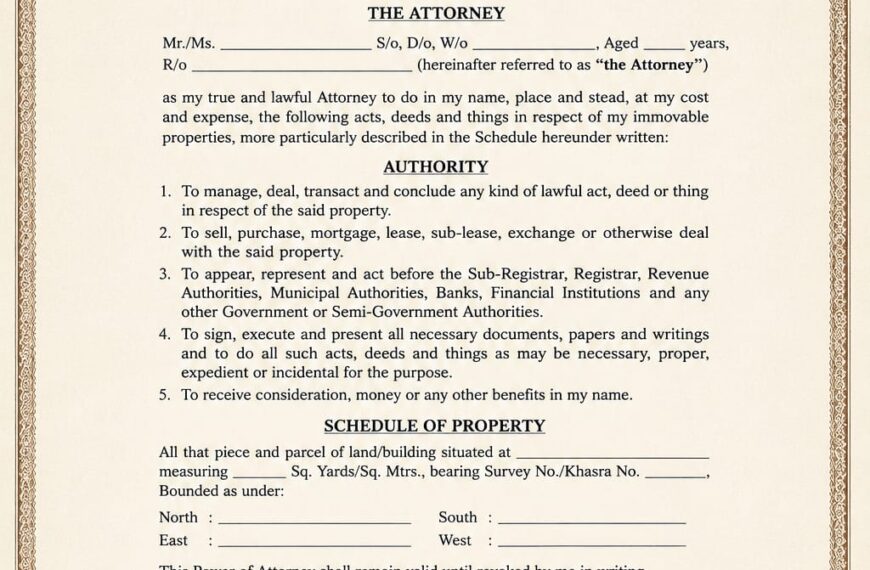
- Copy of the registered Power of Attorney, if any.
- Proof of payment and related receipts.
- No Objection Certificates (NOCs) from other legal heirs, wherever required.
- Site Plan or Property Map.
Final Word
Mutation is an important post-transfer legal formality that helps establish ownership rights in government and municipal records. Although mutation itself does not create title, it serves as strong evidence of possession and ownership for revenue and taxation purposes. Timely mutation of property records can prevent future disputes and ensure smooth payment of taxes and other statutory dues.


 By
By


 By
By Internet magazin md says: