
Planning to book a flat but unsure about the payment structure, possession timeline, cancellation terms, or hidden charges? These are common concerns among homebuyers, especially when investing in an under-construction property.
Real estate experts believe that exercising caution at the beginning of a property transaction can help buyers avoid financial and legal complications later. Thorough due diligence, careful review of agreements, and a clear understanding of payment terms are essential for safeguarding your investment.
Conduct Thorough Due Diligence
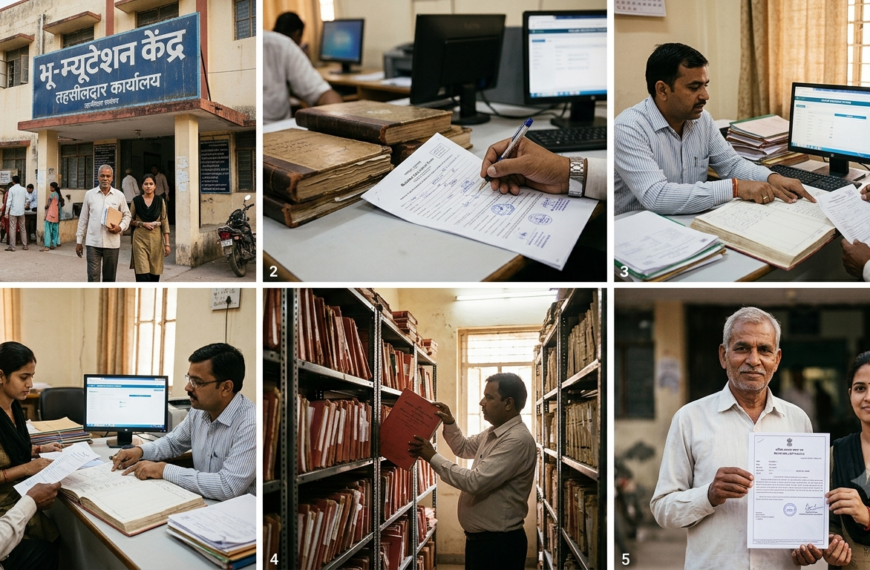
Before booking an under-construction property, buyers should verify every aspect of the project, including:
- The developer’s track record
- Project approvals and legal clearances
- Construction progress
- Delivery timelines
- Safety and quality standards
- Financial stability of the developer
While most reputed developers follow regulatory guidelines, independent verification remains crucial.
One-Time Payment vs Construction-Linked Payment Plan
Many developers offer buyers a choice between making a substantial upfront payment and opting for a construction-linked payment plan.
In most cases, a construction-linked payment plan is considered safer for homebuyers.
Under this model, payments are released in stages based on the actual progress of construction. If the project experiences delays or construction slows down, buyers are not obligated to make future payments until the next construction milestone is achieved.
Construction-linked plans also benefit buyers who are financing their purchase through a home loan, as banks generally prefer disbursing funds according to project progress.
However, if a buyer is considering making a large upfront payment, it is advisable to first assess the stage of construction and verify that significant work has already been completed.
Watch Out for Construction-Linked Payment Traps
Although construction-linked plans are generally buyer-friendly, they may not always be structured fairly.
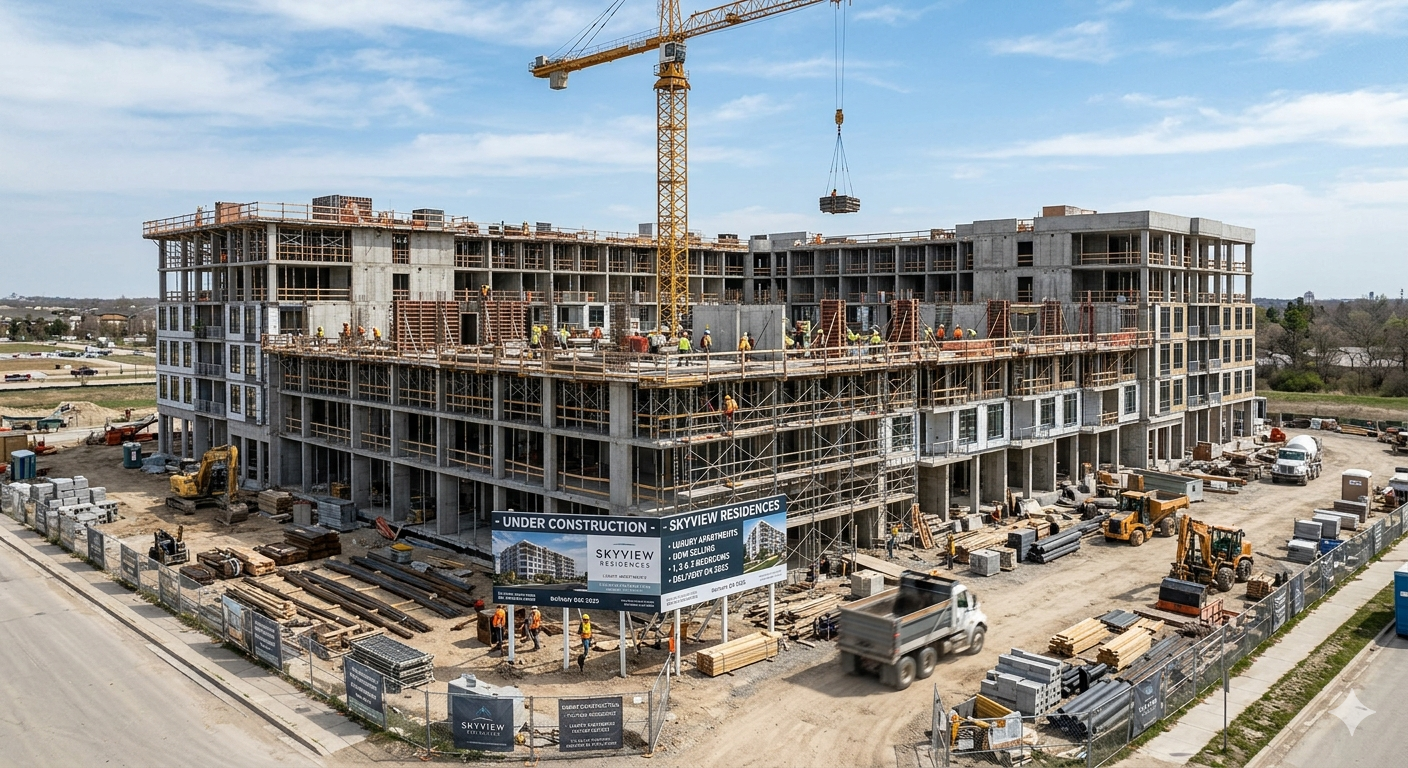
In some projects, developers collect a large portion of the property’s value during the initial construction stages, particularly up to the completion of the structural framework or slab work.
Modern construction technologies often allow structural work to be completed relatively quickly. However, finishing activities such as masonry, electrical work, plumbing, flooring, interiors, external development, and amenities can take much longer.
As a result, a developer may collect most of the payment while a substantial portion of the project remains unfinished.
Buyers should carefully review the payment schedule to ensure that installments are reasonably aligned with actual construction progress.
Understand the Cancellation Policy
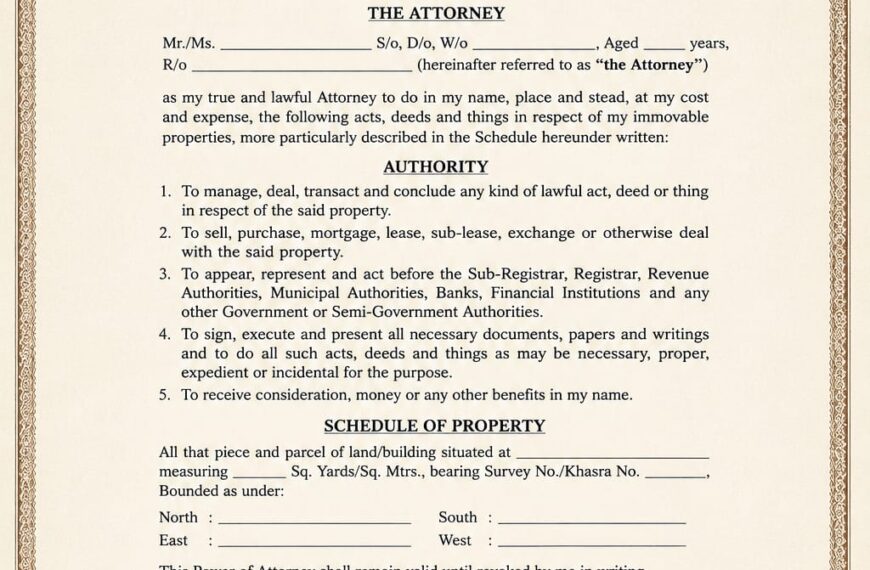
Circumstances can change after a property booking, and some buyers may decide to withdraw from the transaction.
In such cases, developers generally impose cancellation charges or penalties. The amount deducted varies from project to project and should be clearly specified in the booking form, allotment letter, or sale agreement.
Before signing any document, buyers should carefully review:
- Cancellation charges
- Refund timelines
- Administrative fees
- Conditions for refund eligibility
If these provisions are unclear, buyers should seek written clarification from the developer.
Flat Transfer Before Possession
Some buyers may wish to transfer their booked unit to another purchaser before taking possession.
Most developers permit such transfers, but they usually charge a transfer fee or administrative charges.
Before booking a property, it is advisable to understand:
- Transfer eligibility conditions
- Applicable transfer fees
- Documentation requirements
- Restrictions on resale before possession
These terms should be reviewed carefully to avoid unexpected costs later.
Don’t Hesitate to Negotiate
Many homebuyers assume that the quoted property price is non-negotiable. In reality, developers often have some flexibility, especially during the early stages of a project or during promotional campaigns.
Buyers may be able to negotiate:
- Base property price
- Floor-rise charges
- Club membership fees
- Parking charges
- Payment plans
- Waiver of certain administrative costs
Comparing multiple projects in the same location can strengthen a buyer’s negotiating position.
Be Cautious About “Free Gifts” and Promotional Offers
Developers frequently market projects using attractive offers such as:
- Free modular kitchens
- Complimentary furnishings
- Electronics and appliances
- Gold coins
- Vacation packages
- Assured gifts
Homebuyers should remember that such offers are rarely free. In many cases, the cost of these incentives is already factored into the property’s pricing.
Rather than focusing solely on promotional gifts, buyers should evaluate the overall value of the deal, including property price, location, construction quality, amenities, and long-term appreciation potential.
Final Takeaway
Purchasing an under-construction property can be a rewarding investment when approached carefully. Buyers should prioritize transparency, verify all project details, understand payment structures, review cancellation and transfer clauses, and negotiate wherever possible.
A well-informed buyer is better equipped to avoid costly surprises and ensure that the journey toward homeownership remains smooth and financially secure.


 By
By

 By
By