


Owning a home remains one of life’s biggest aspirations. While rising property prices have made homeownership more challenging, growing incomes, improved access to housing finance, and flexible home loan options have made the dream achievable for many buyers.
A generation ago, purchasing a home was often considered a goal to be fulfilled near retirement. Today, however, many young professionals begin planning for homeownership in their early thirties. The availability of smart banking solutions, attractive mortgage products, and expanding residential markets has accelerated this trend.
However, buying a property is one of the most significant financial decisions a person will ever make. Therefore, it is essential to conduct thorough due diligence before making a purchase.
Evaluate the Developer’s Credibility
Before investing in any residential project, buyers should carefully assess the developer’s track record.
Consider the following:
- Previous projects completed by the developer
- Quality of construction and delivered amenities
- Timely delivery history
- Customer reviews and resident feedback
- Experience in township and group housing developments
If the project is under construction, visit the developer’s earlier projects and interact with existing residents to understand whether promised facilities were actually delivered.
Verify Legal Approvals

A residential project must obtain approvals from various authorities before construction begins.
These may include:
- Municipal authorities
- Development authorities
- Environmental regulators
- Fire safety departments
- Utility agencies
Buyers should verify that all required approvals have been obtained to avoid future legal complications.
Check Whether the Project Is Approved by Banks
Bank approval often serves as an additional layer of confidence for homebuyers.
Before sanctioning project finance or home loans, banks typically conduct legal and technical due diligence. If a reputed financial institution has approved the project, it generally indicates that basic legal formalities have been completed.
However, buyers should still conduct their own independent verification.
Sign the Agreement Carefully
For under-construction properties, buyers should execute a formal agreement with the developer as early as possible.
The agreement should clearly mention:
- Apartment number and location
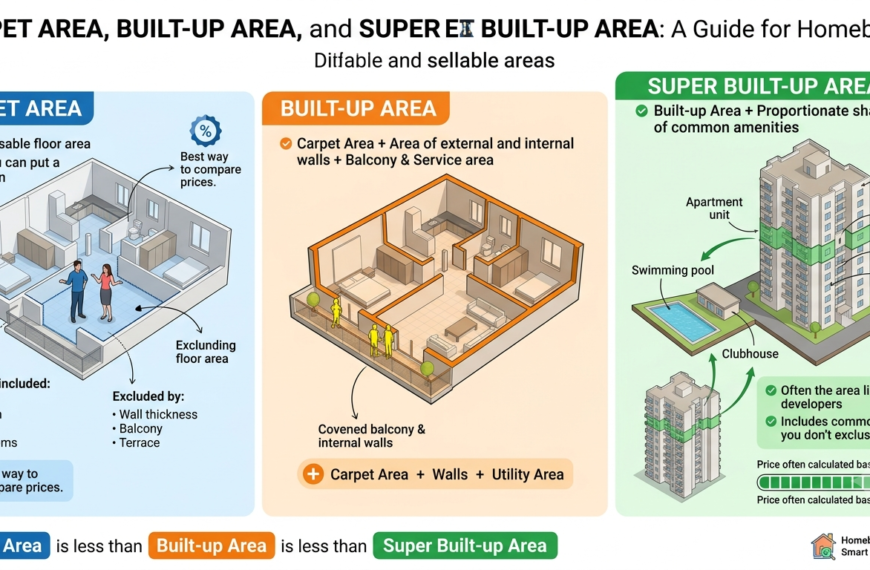
- Carpet area and layout
- Possession timeline
- Payment schedule
- Amenities promised by the developer
- Compensation clauses for delays
A detailed agreement helps protect the buyer’s interests and reduces the risk of future disputes.
Understand All Charges Before Booking
Many buyers focus only on the advertised property price and overlook additional costs.
Before booking, obtain a complete cost sheet that includes:
- Base property price
- Floor-rise charges
- Location charges
- Club membership fees
- Parking charges
- Maintenance deposits
- Utility connection charges
- Registration and stamp duty costs
- GST, wherever applicable
Understanding the total acquisition cost helps avoid unpleasant surprises later.
Property Buying Checklist
1. Property Selection
Choosing the right property is the most important step. Evaluate location, connectivity, infrastructure, social amenities, and future growth potential before making a decision.
2. Pre-Launch Opportunities
Pre-launch projects often offer lower prices compared to market rates. However, buyers should carefully evaluate the developer’s reputation and project approvals before investing.
3. Brokerage Charges
If a broker is involved, understand the brokerage fee structure in advance to avoid misunderstandings.
4. Budget Planning
Prepare a realistic budget that includes all acquisition and ownership costs rather than focusing solely on the property’s advertised price.
5. Token Amount
A token amount is generally paid at the time of booking. The amount varies depending on the property value and developer policies.
6. Down Payment
Homebuyers are required to contribute a portion of the property’s value as a down payment. The amount depends on lender requirements and project status.
7. Home Loan Approval
It is advisable to obtain loan eligibility or pre-approval before paying substantial booking amounts.
Many reputed developers have tie-ups with banks that can facilitate the loan process.
8. Registration
After completing the payment formalities and loan disbursement process, buyers should ensure timely registration of the property.
9. Possession Inspection
Before taking possession, thoroughly inspect:
- Construction quality
- Fixtures and fittings
- Electrical systems
- Plumbing
- Common area facilities
- Promised amenities
Any defects should be documented and reported before accepting possession.
Possession Date and Delay Compensation
One of the most important clauses in a property purchase agreement relates to possession timelines.
The agreement should clearly specify:
- Expected possession date
- Grace period, if any
- Compensation payable in case of delay
Many disputes arise when projects are delayed beyond committed timelines. Therefore, buyers should insist on clear compensation provisions within the agreement.
What Is a Fair Compensation for Delayed Possession?
Compensation mechanisms generally include:
- Monthly compensation linked to market rental value, or
- Compensation calculated on a per-square-foot basis
The exact amount should be clearly defined in the purchase agreement to avoid ambiguity.
Understanding Home Loan Costs Beyond Interest Rates
Many homebuyers compare lenders only on the basis of interest rates. However, several other charges can significantly impact the overall borrowing cost.
Application Fee
This fee is charged when submitting a loan application. Some lenders charge a fixed amount, while others charge a percentage of the loan value.
Application fees are often non-refundable.
Processing Fee
Processing fees cover:
- Document verification
- Credit assessment
- Property evaluation
- Legal verification
- Administrative expenses
The fee structure varies across lenders.
Interest on Disbursed Amount
For under-construction properties, banks usually release funds in stages based on construction progress.
Borrowers should confirm whether interest is charged only on the amount disbursed or on the entire sanctioned loan amount.
Prepayment and Foreclosure Charges
Many borrowers prefer to repay their loans early when they receive surplus funds.
Before selecting a lender, verify:
- Prepayment rules
- Partial repayment options
- Foreclosure charges
- Conditions applicable to fixed-rate and floating-rate loans
Understanding these provisions can help reduce future costs.
Fixed vs Floating Interest Rates
Fixed-rate loans offer greater predictability but may carry higher interest rates initially.
Floating-rate loans fluctuate according to market conditions and lender benchmarks.
Before signing the loan agreement, carefully review the lender’s terms regarding rate revisions and interest recalculations.
Additional Costs Buyers Often Overlook
Apart from the purchase price and loan costs, buyers should budget for:
- Legal fees
- Technical evaluation charges
- Registration fees
- Stamp duty
- Interior and furnishing expenses
- Woodwork and modular installations
- Property taxes
- Maintenance charges
- Resident welfare association or society fees
- Utility connection charges
These expenses can significantly increase the total cost of ownership.
Final Word
Buying a home is not just an emotional decision—it is a long-term financial commitment. Conducting proper due diligence, verifying the developer’s credentials, understanding legal documentation, evaluating loan terms, and budgeting for hidden costs can protect buyers from future risks.
A well-informed purchase decision ensures that your dream home becomes a valuable asset and a source of long-term financial security.


 By
By

 By
By